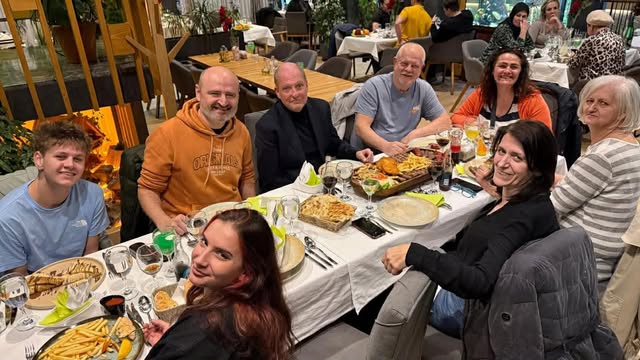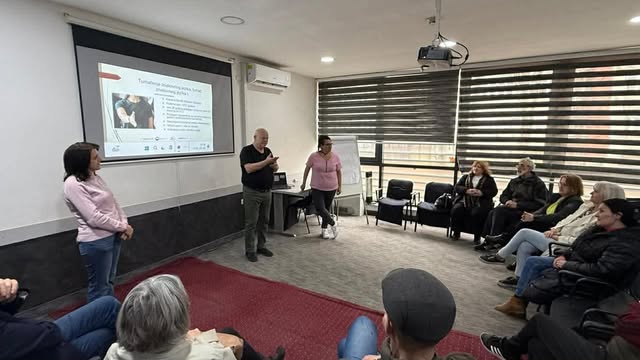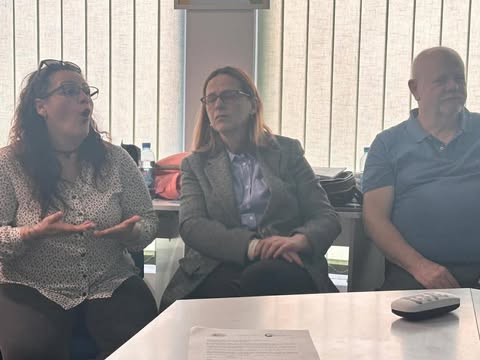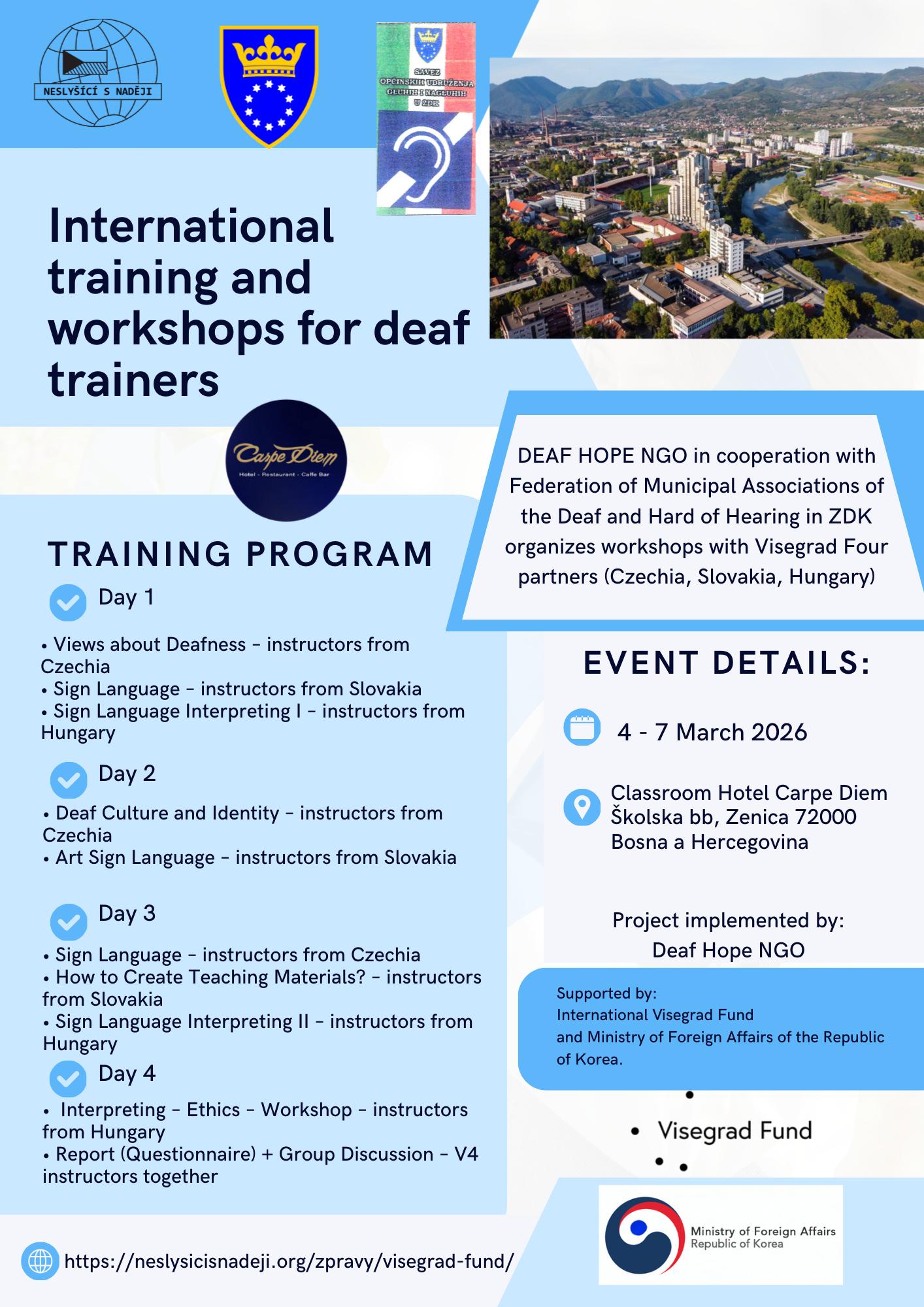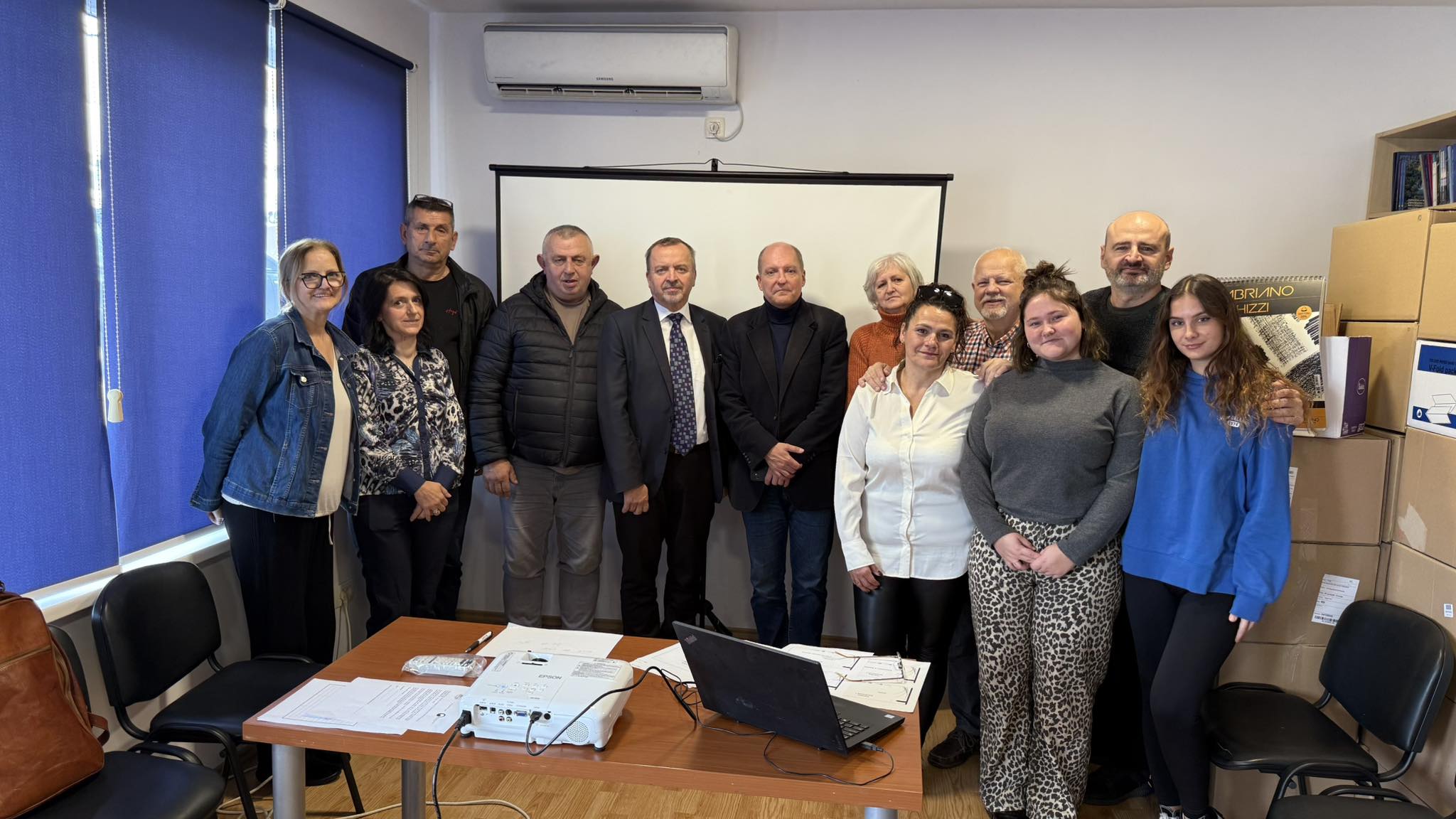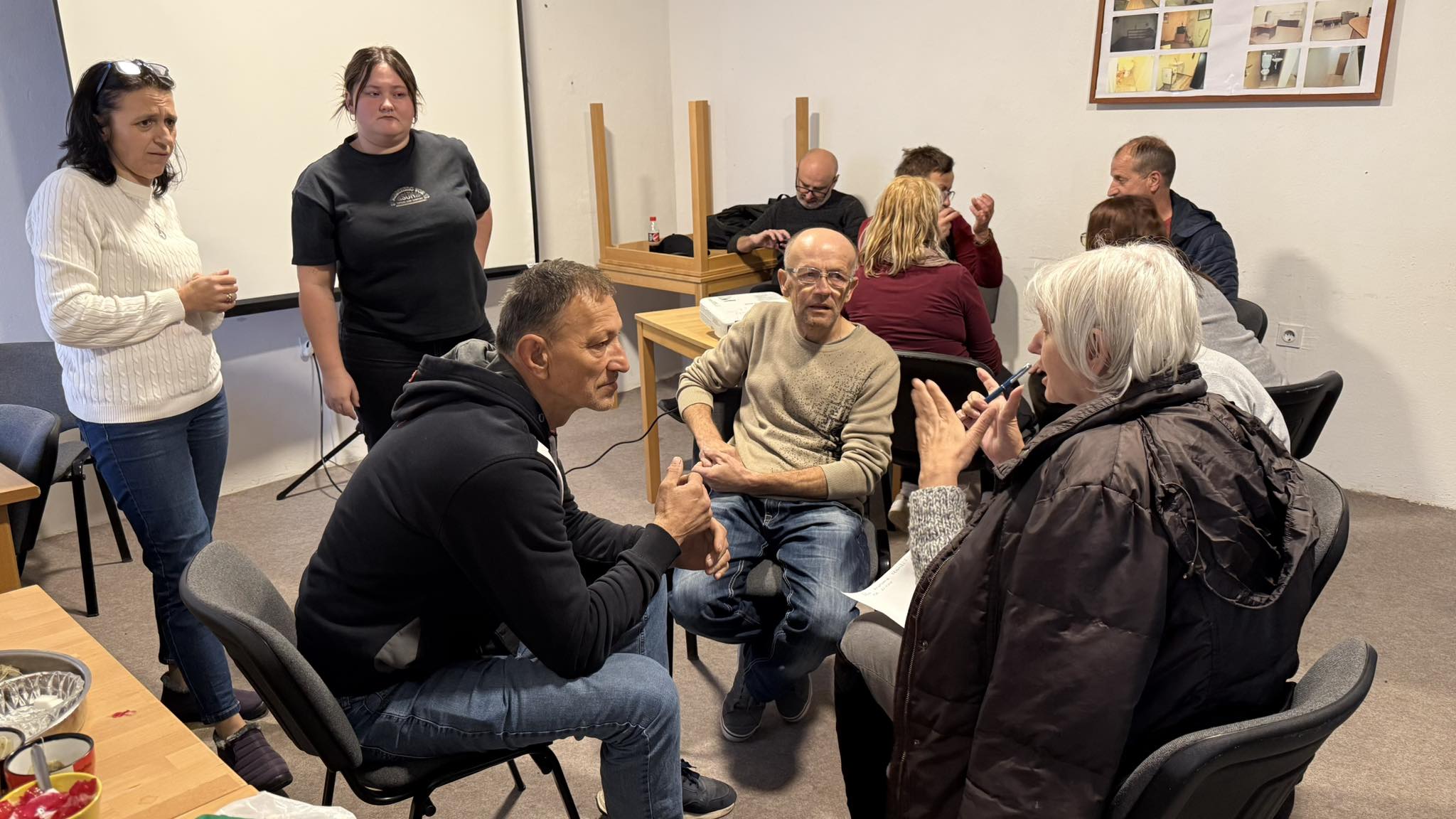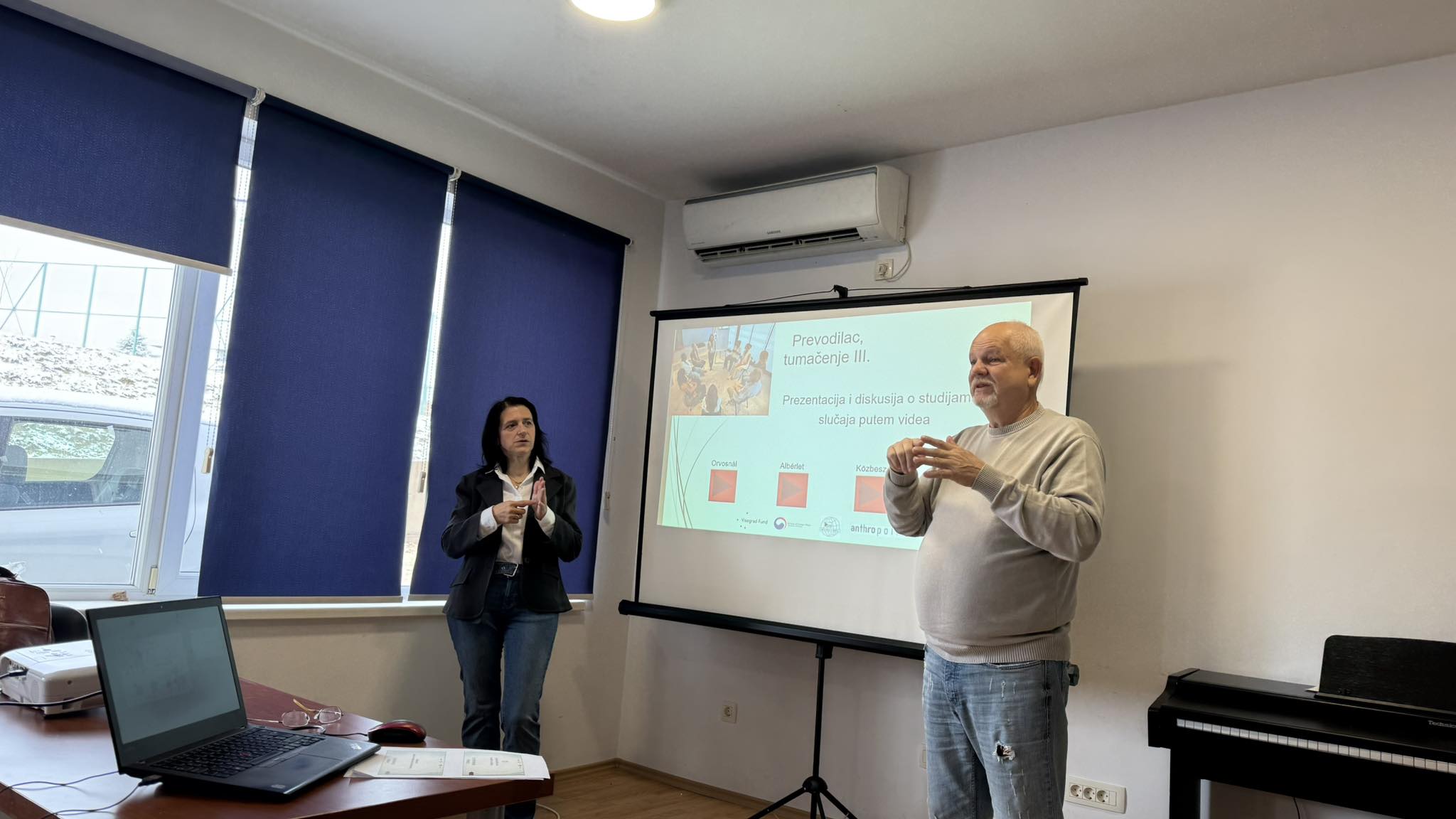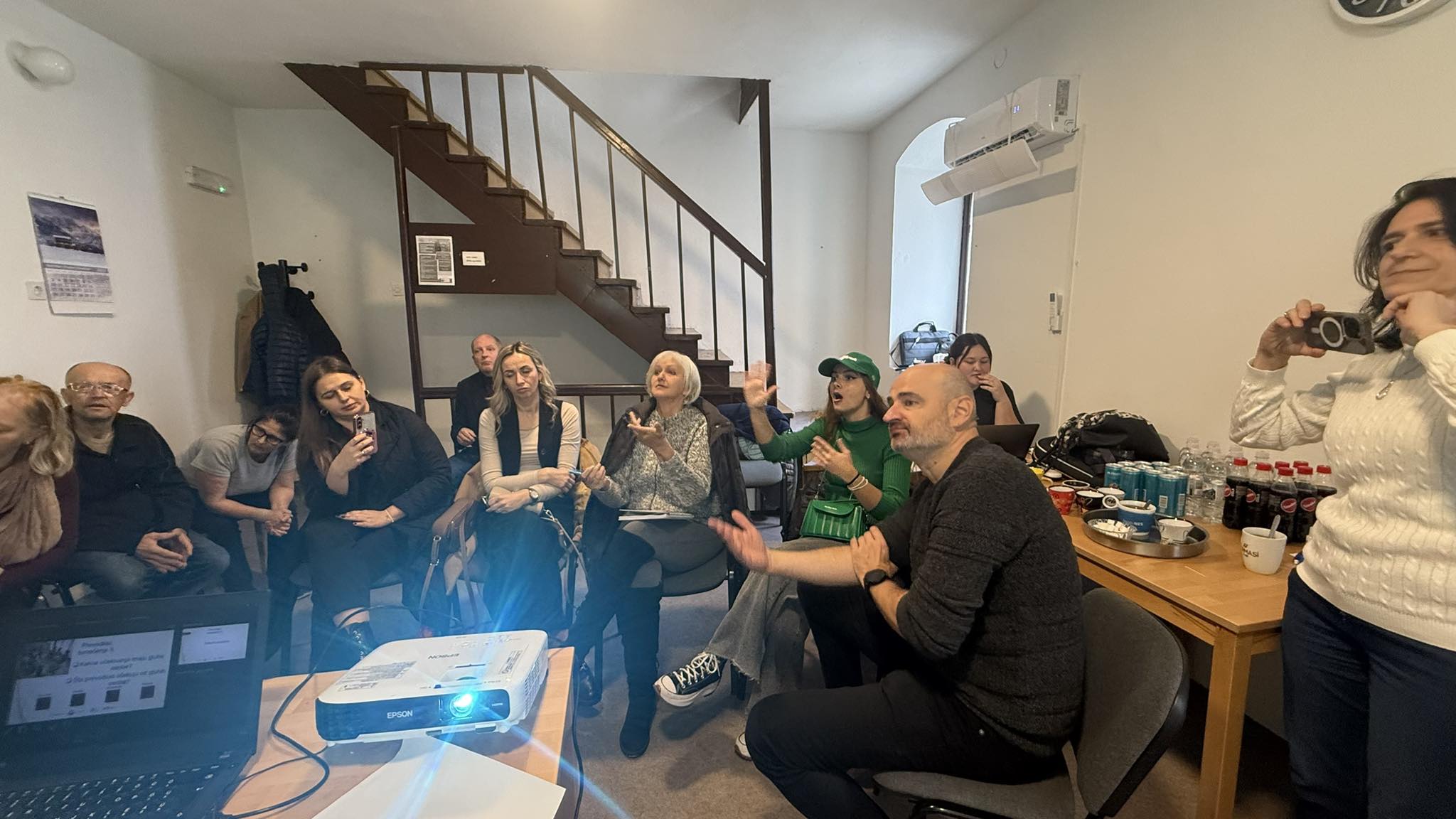

In Bosnia and Herzegovina, the number of qualified sign language interpreters and sign language teachers is also very low. The project aims to have Czech, Slovak, and Hungarian deaf experts train interested, selected members of the local deaf community to serve as sign language instructors, teaching sign language to public officials, healthcare workers, and interested individuals—some of whom may go on to become sign language interpreters. The goal of this knowledge transfer is to share experiences related to organizing sign language education, expanding educational capacity, and lobbying for the social and legal recognition of sign language. In the long term, the project supports the empowerment of the deaf community, barrier-free access to public services, and social equality.
Goals: Social Development,Promoting an inclusive mindset in society and addressing protection and empowerment of minorities
Coordinator: Neslyšící s nadějí, z.s. (Deaf Hope NGO), Czechia www.neslysicisnadeji.org
Partners:
Myslím – centrum kultúry Nepočujúcich, Občianske združenie ( I Think – Center for Deaf Culture), Szlovákia www.myslim.sk
Savez Udruženja Gluhih i Nagluhih Federacije Bosne i Hercegovine, (Association of the Association of the Deaf and Hard of Hearing of the Federation) Bosznia-Hercegovina https://www.facebook.com/
A projektet a Koreai Köztársaság Külügyminisztériuma támogatja. A projektet Csehország, Magyarország, Lengyelország és Szlovákia kormánya társfinanszírozza a Nemzetközi Visegrádi Alap Visegrádi Támogatásai révén. Az Alap célja a közép-európai fenntartható regionális együttműködés előmozdítása. (projektazonosító: 22520162)
Záró látogatás és előadás Gorazdéban és Szarajevóban 2026. május 9 – május 19.
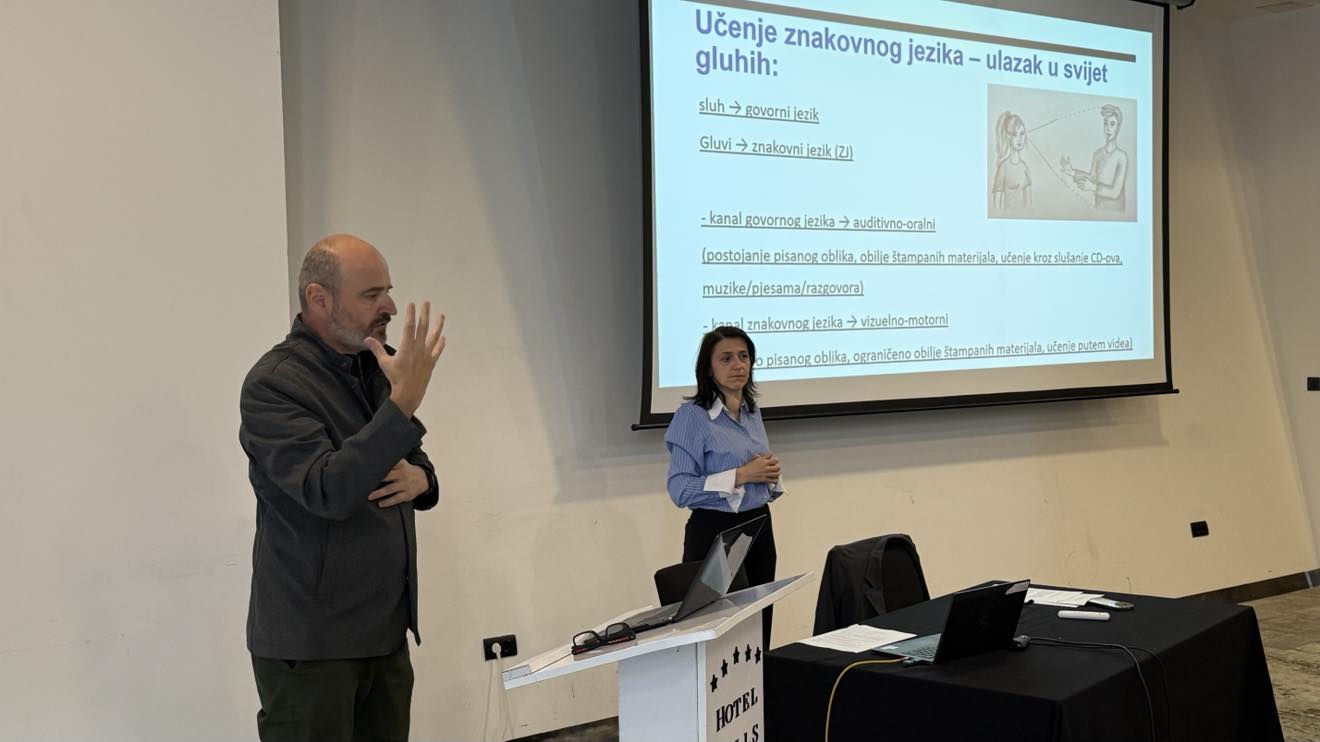
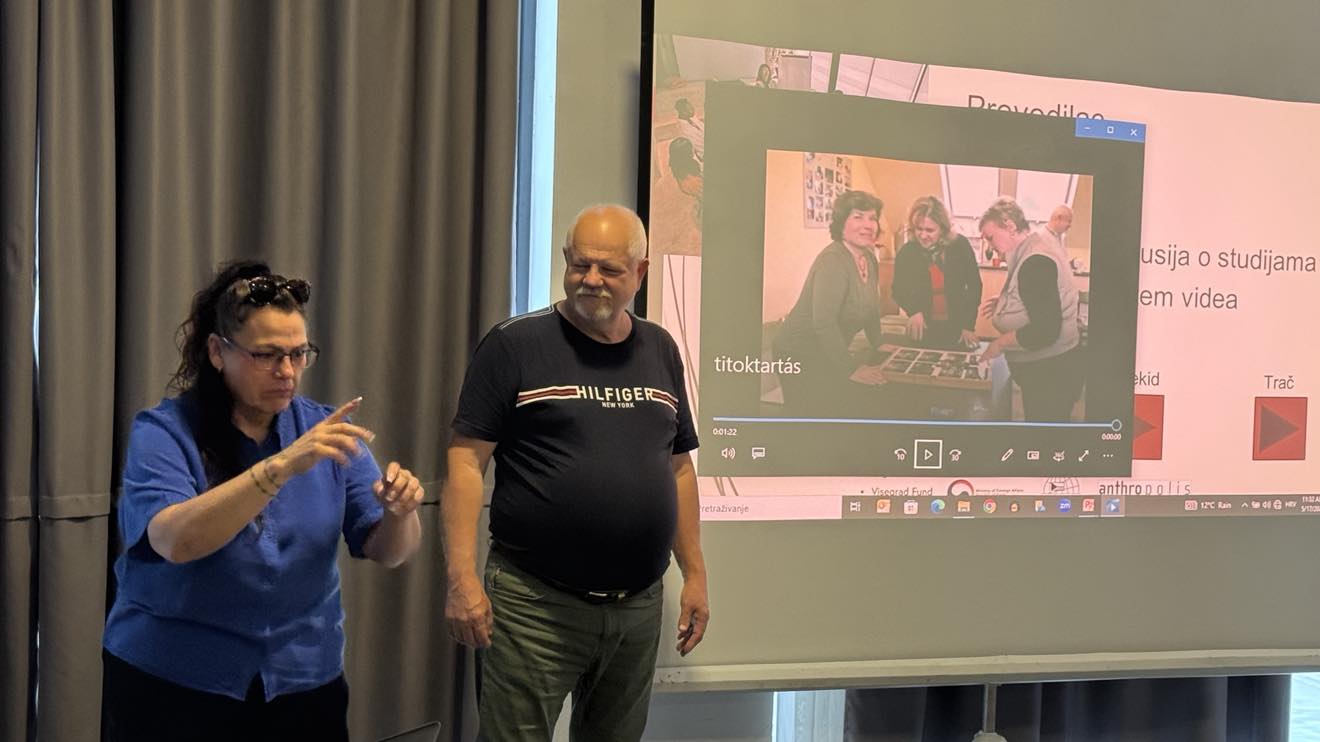
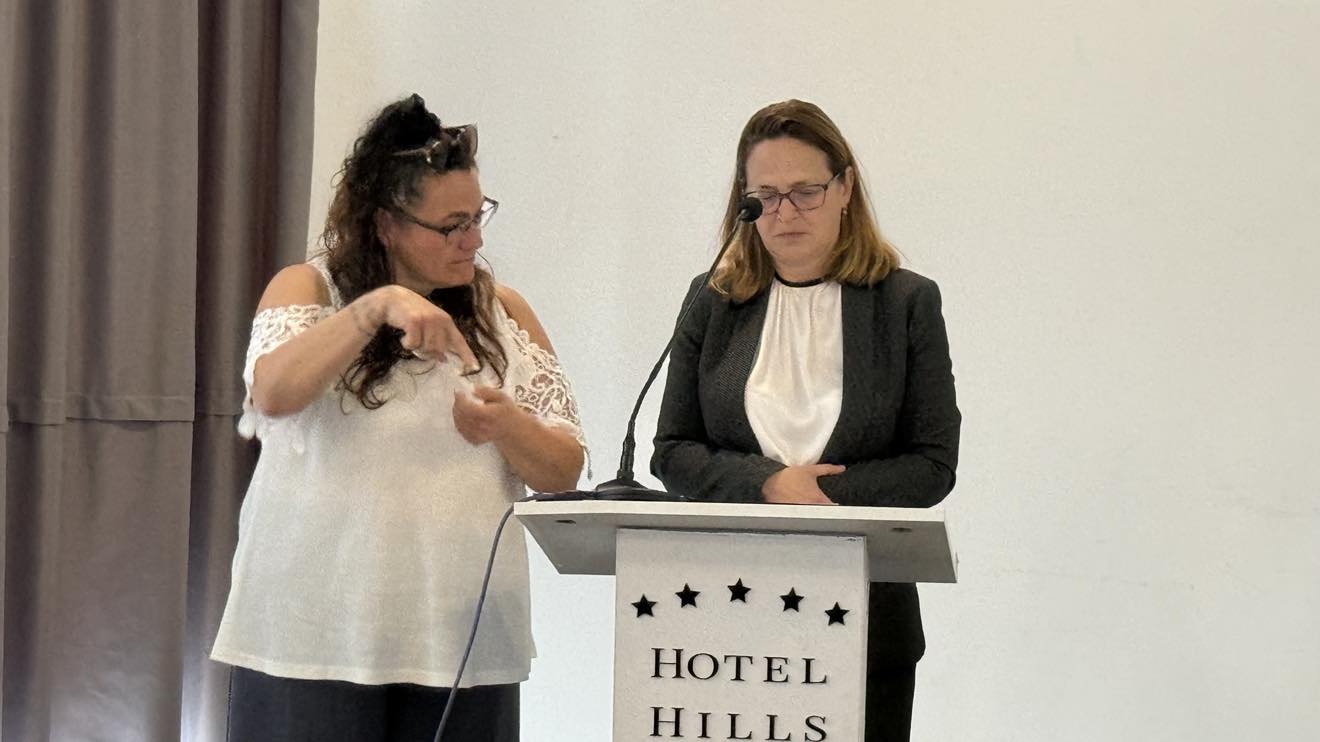
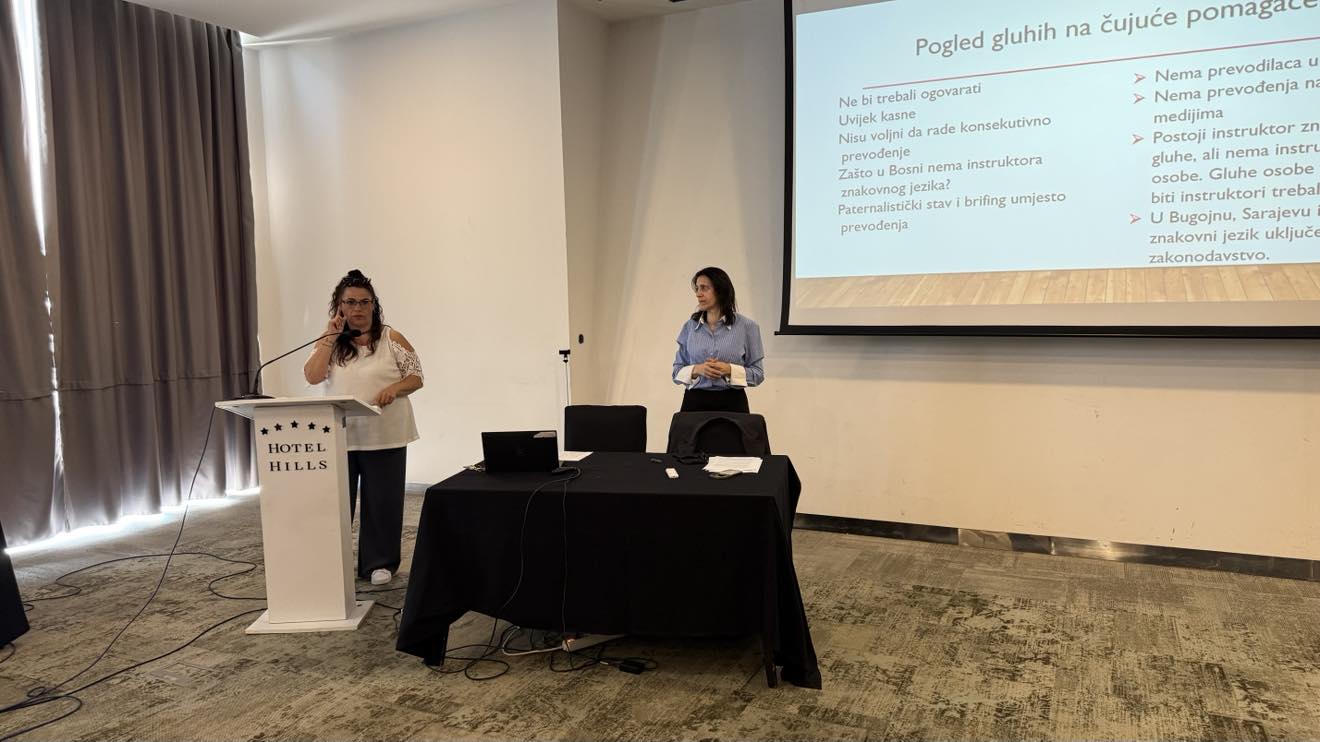
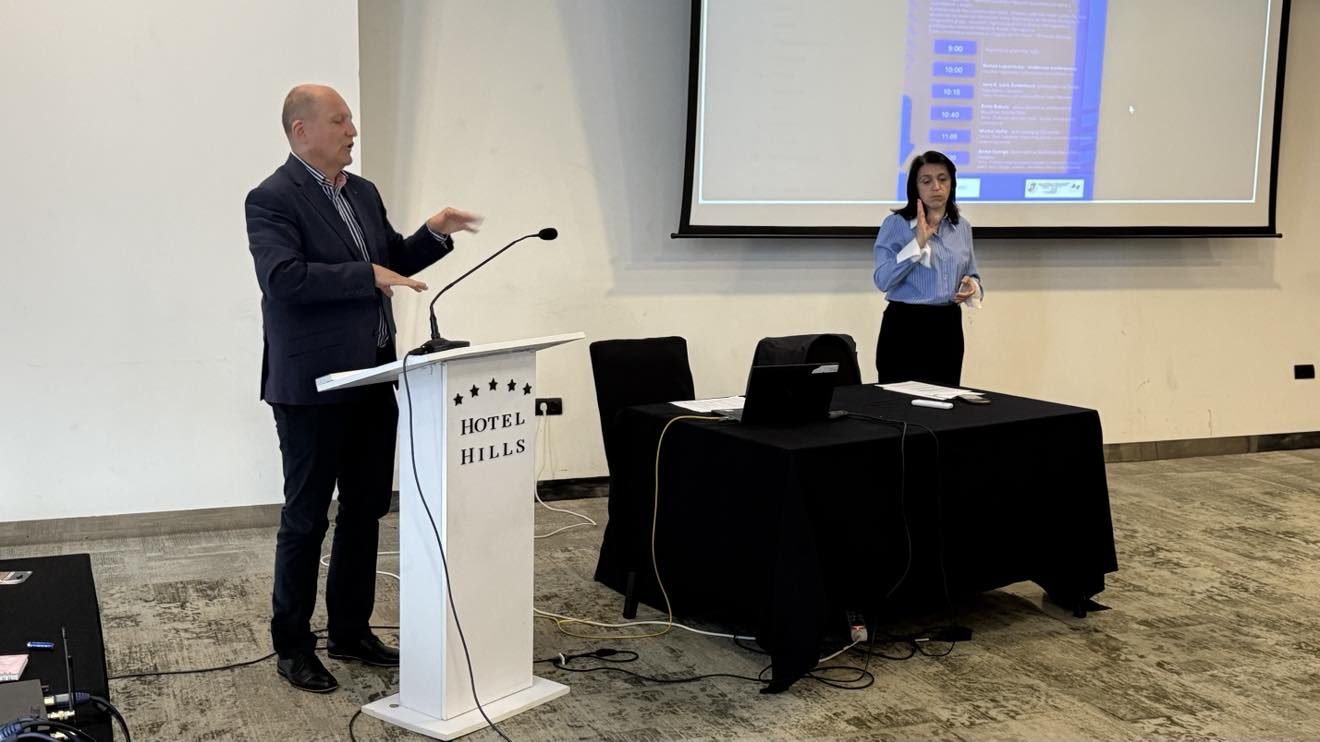
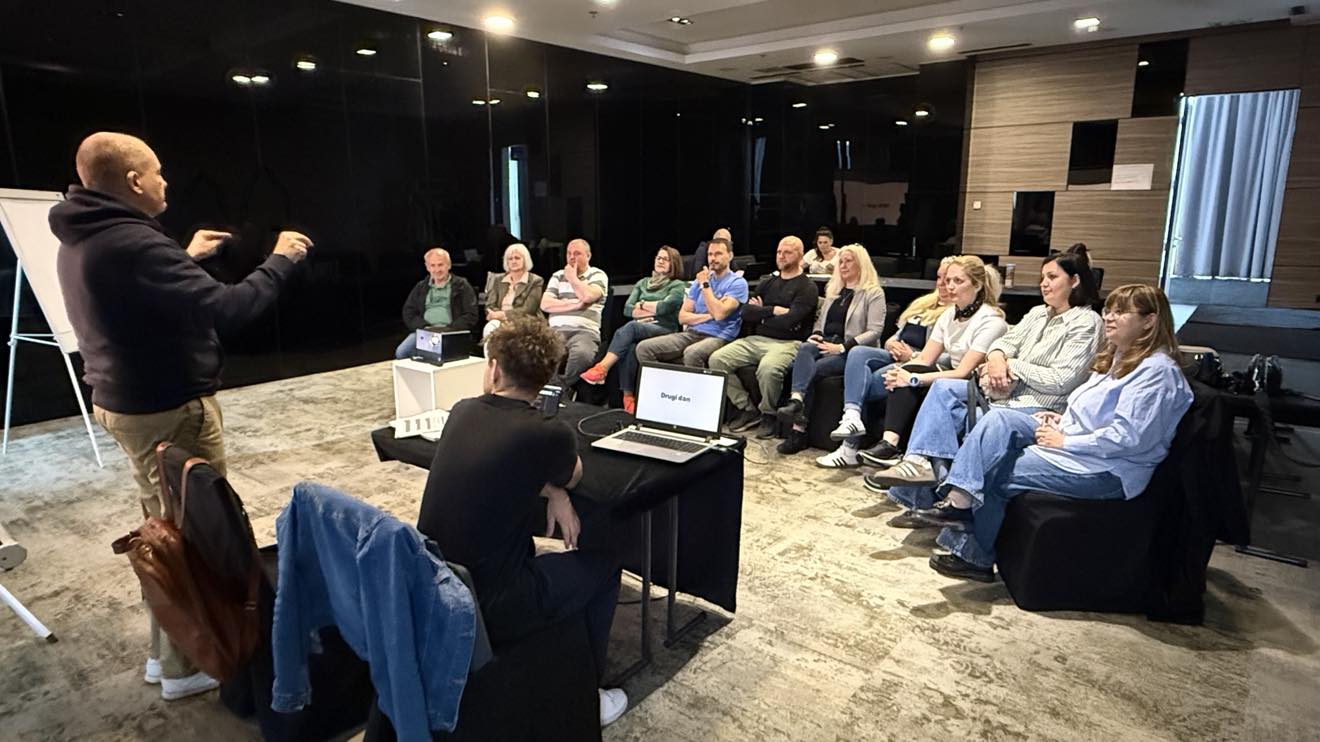
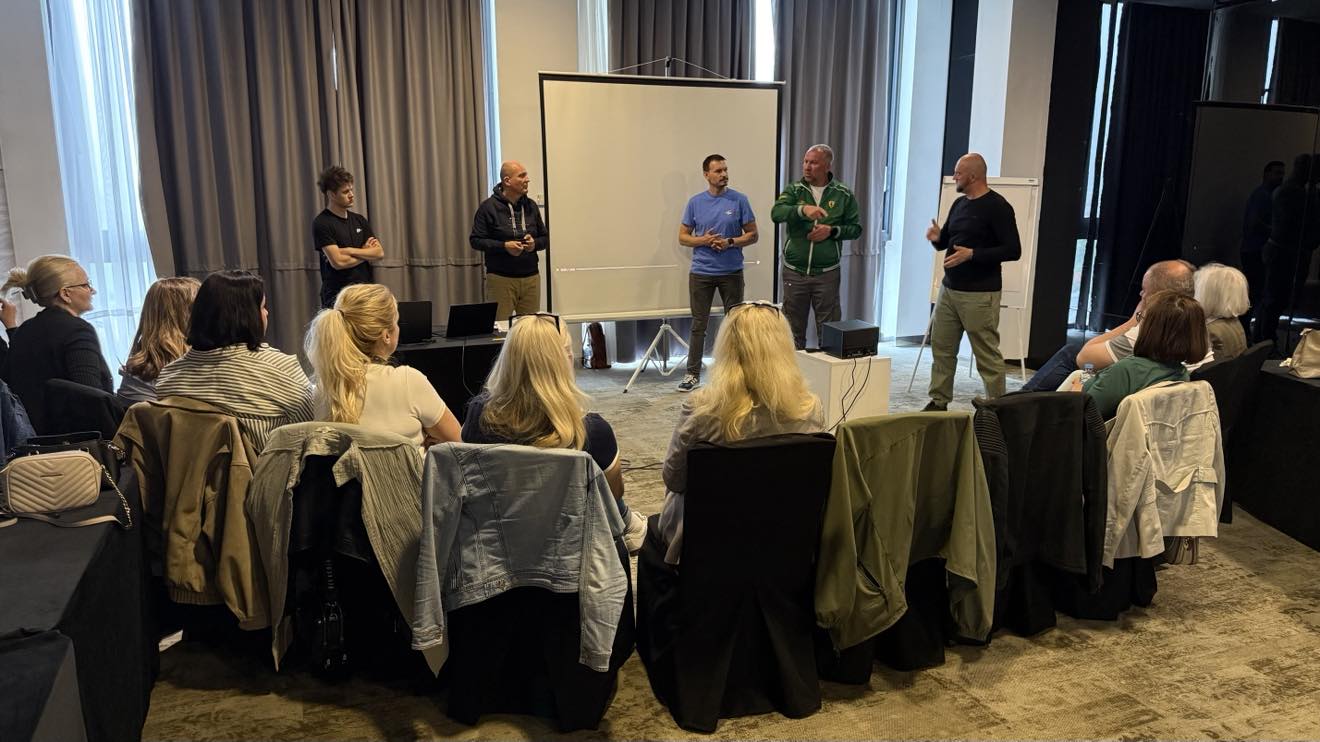
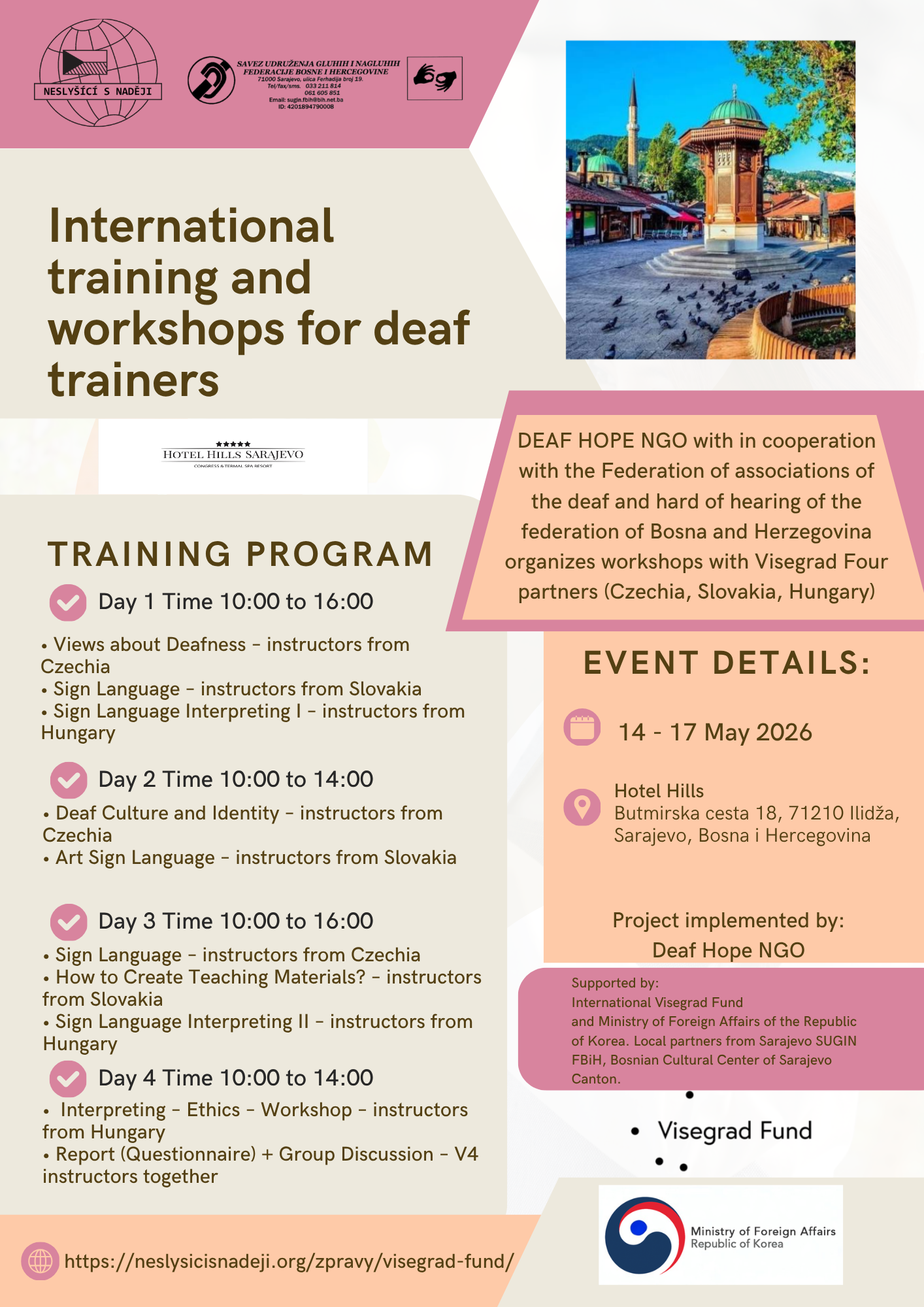
The third visit took place from May 9 to May 19. This time we held sessions for four days in Gorazde, followed by five days of lectures in Sarajevo with the same colleagues. We worked with a highly effective and well-coordinated team, and the Deaf participants in Gorazde were already better informed than our audiences during the previous visits. The Hungarian team continued to deliver presentations on how to use sign language interpreters, the application of interpreting services, and the ethics of interpreting.
Nagyon jó, összeszokott csapattal dolgoztunk, Gorazdéban már tájékozottabbak voltak a siket résztvevők. A magyar csapat továbbra is a tolmácshasználatról, a tolmácsolás alkalmazásáról, a tolmácsolás etikájáról tartott előadásokat.
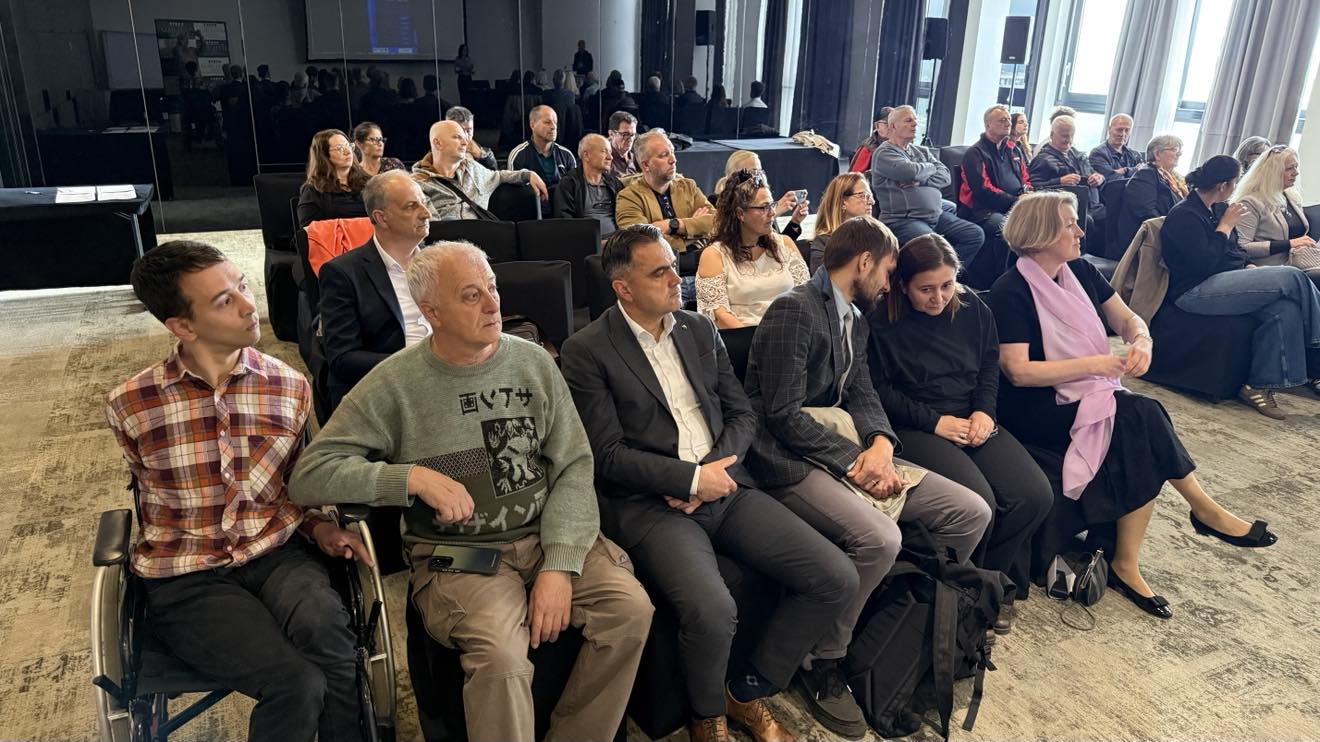
In Sarajevo we met the biggest audience of active and interested deaf participants. They were able to clearly articulate the challenges they face. For example, they raised questions about why sign language is taught only by hearing instructors, why there are not enough professional sign language interpreters and no available sign language interpreting service with adequate funding from the responsible government bodies.
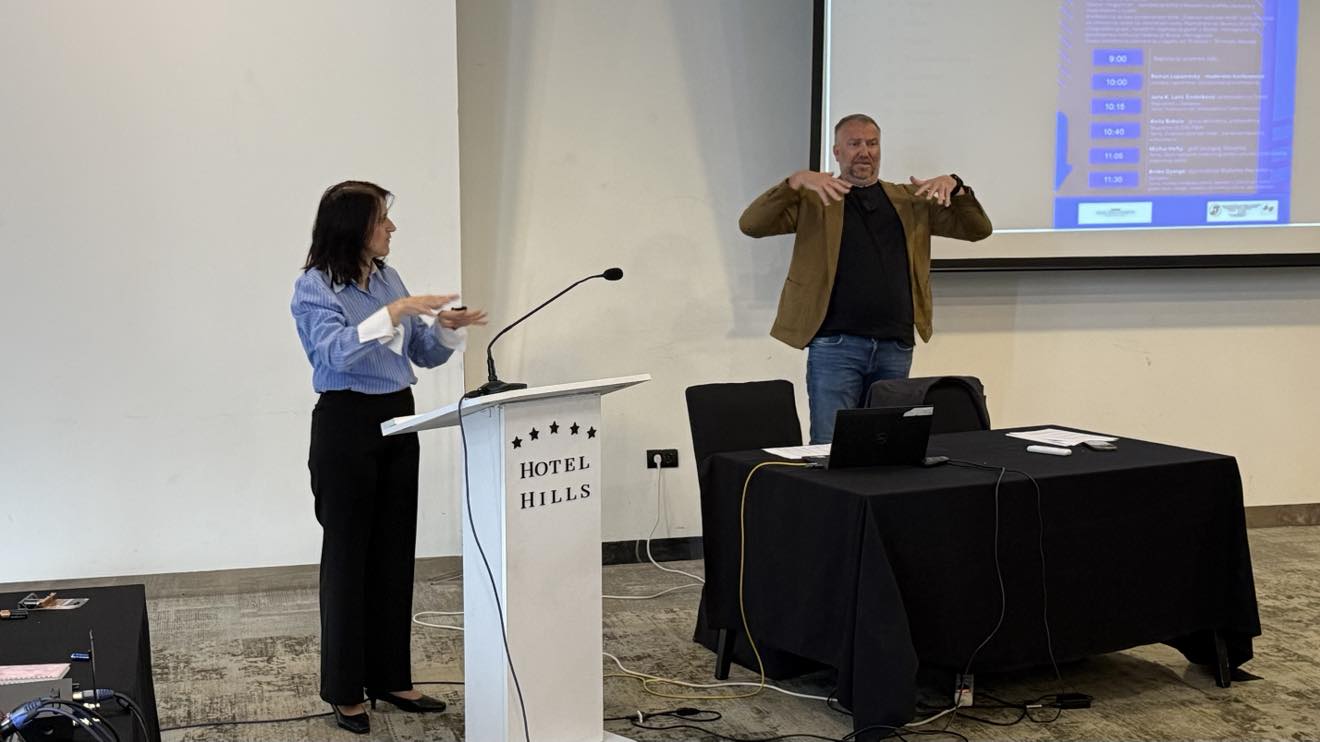
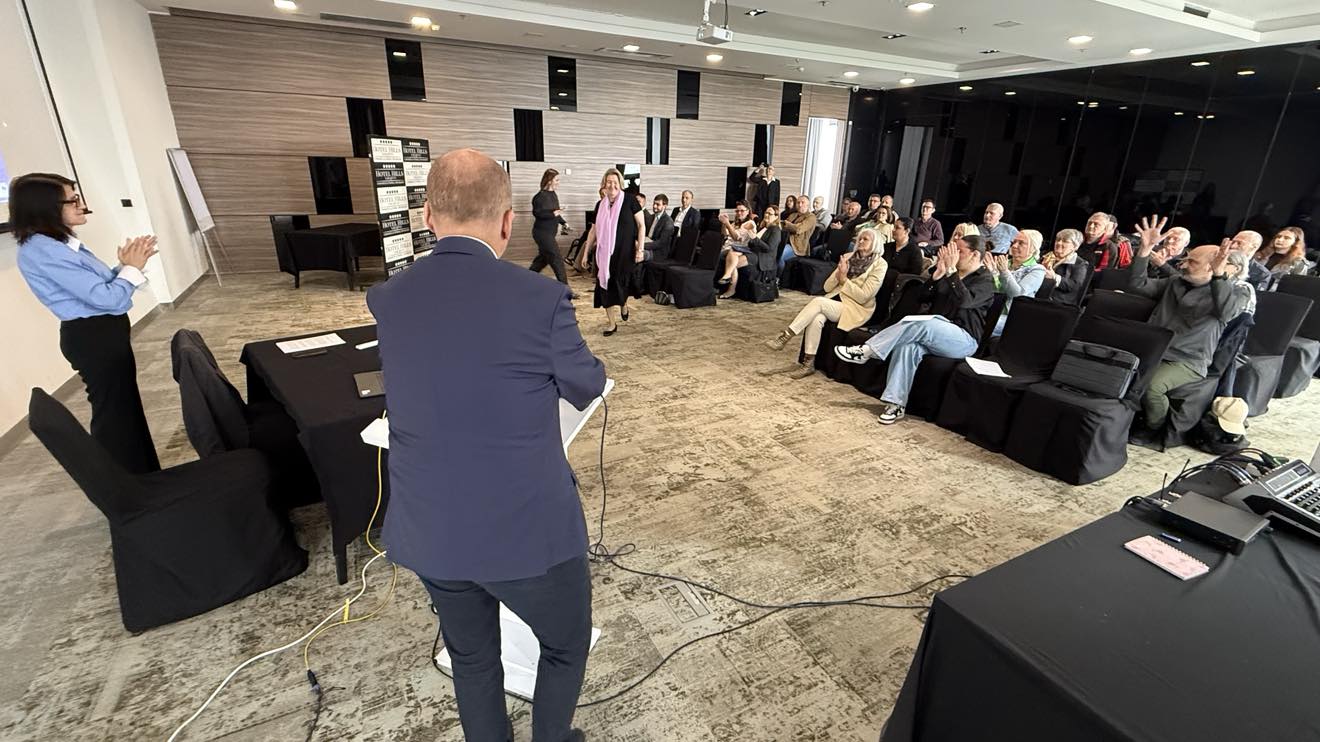
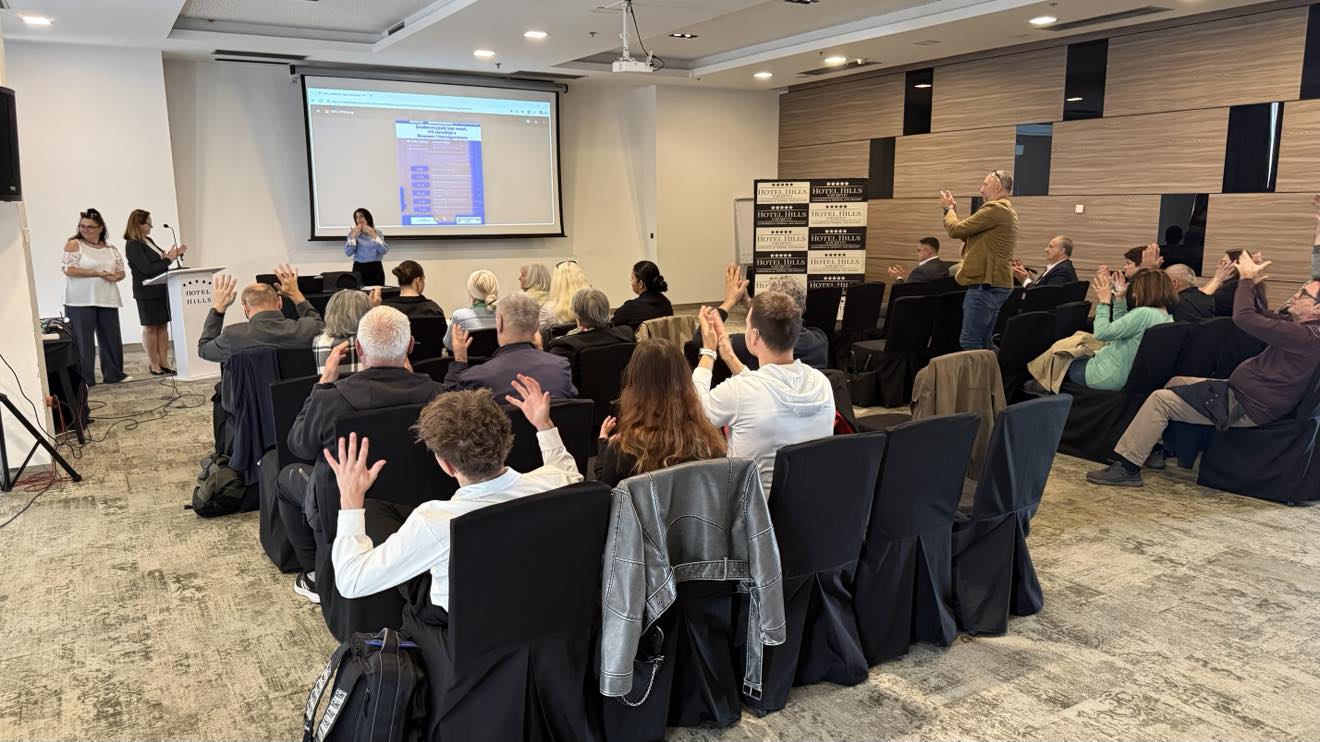
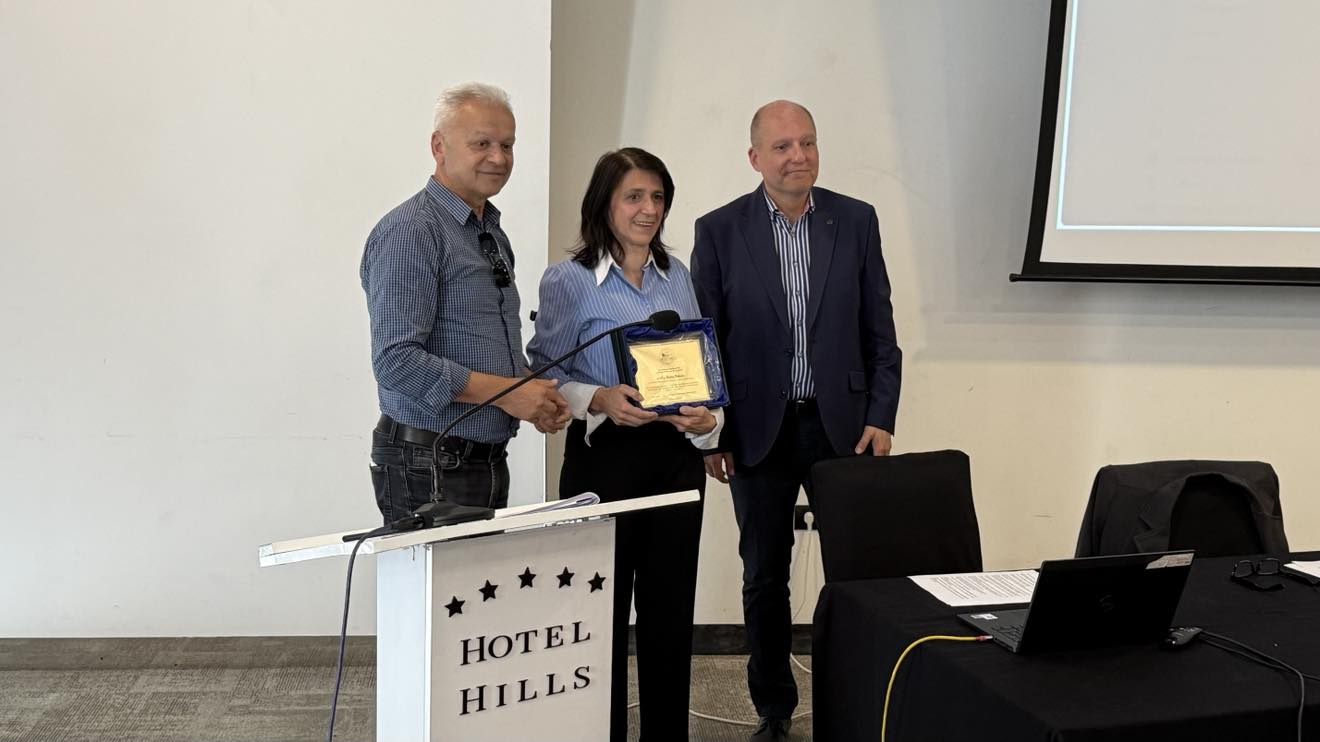
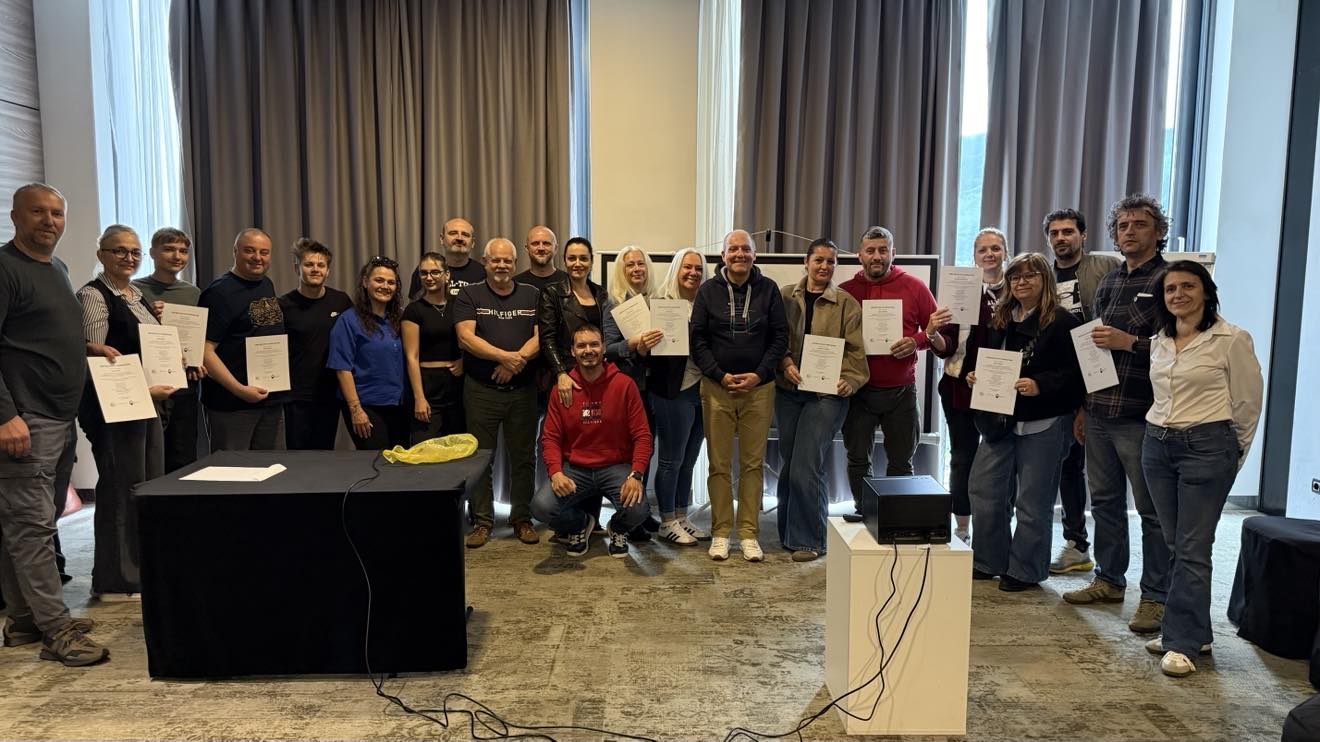
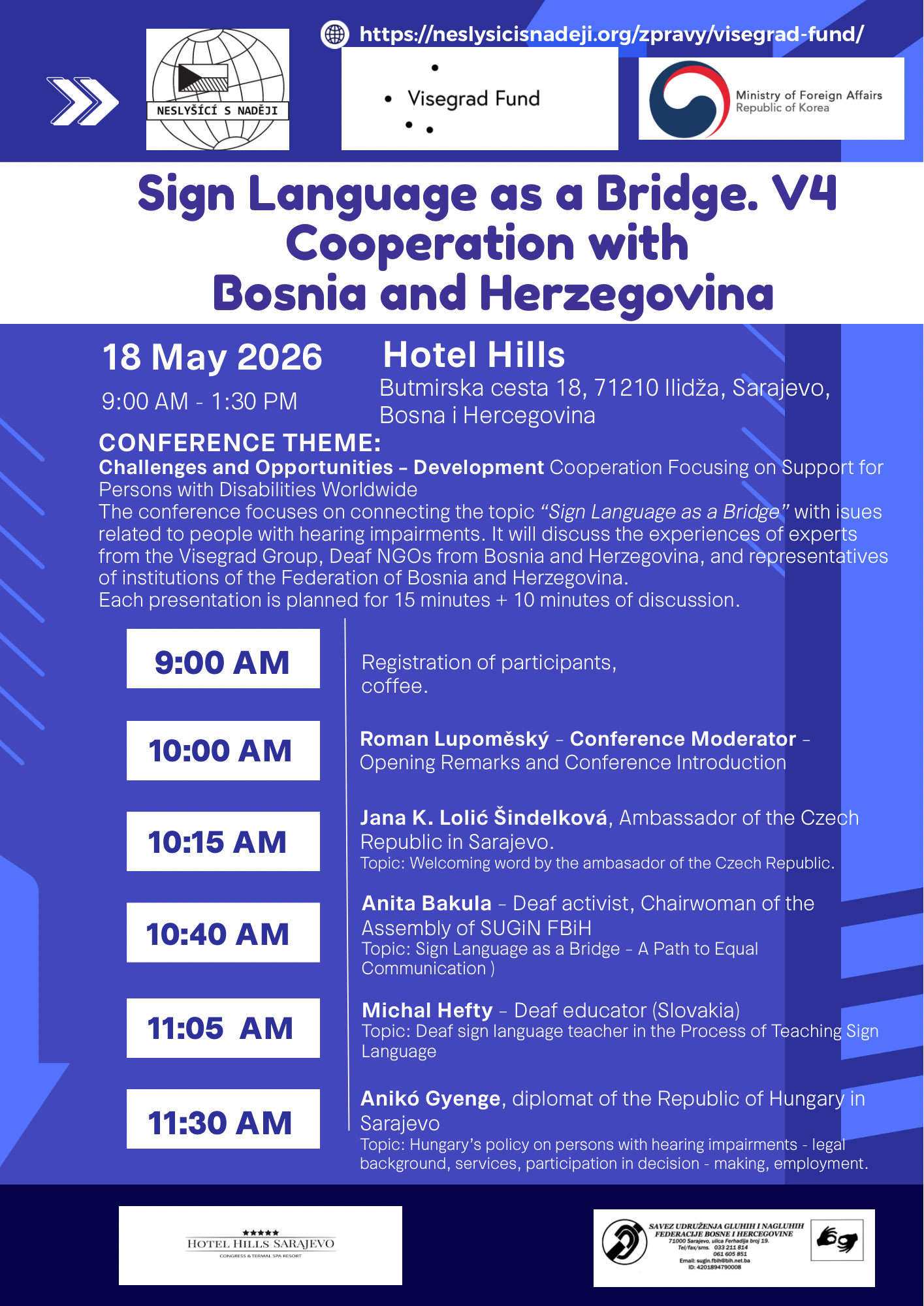
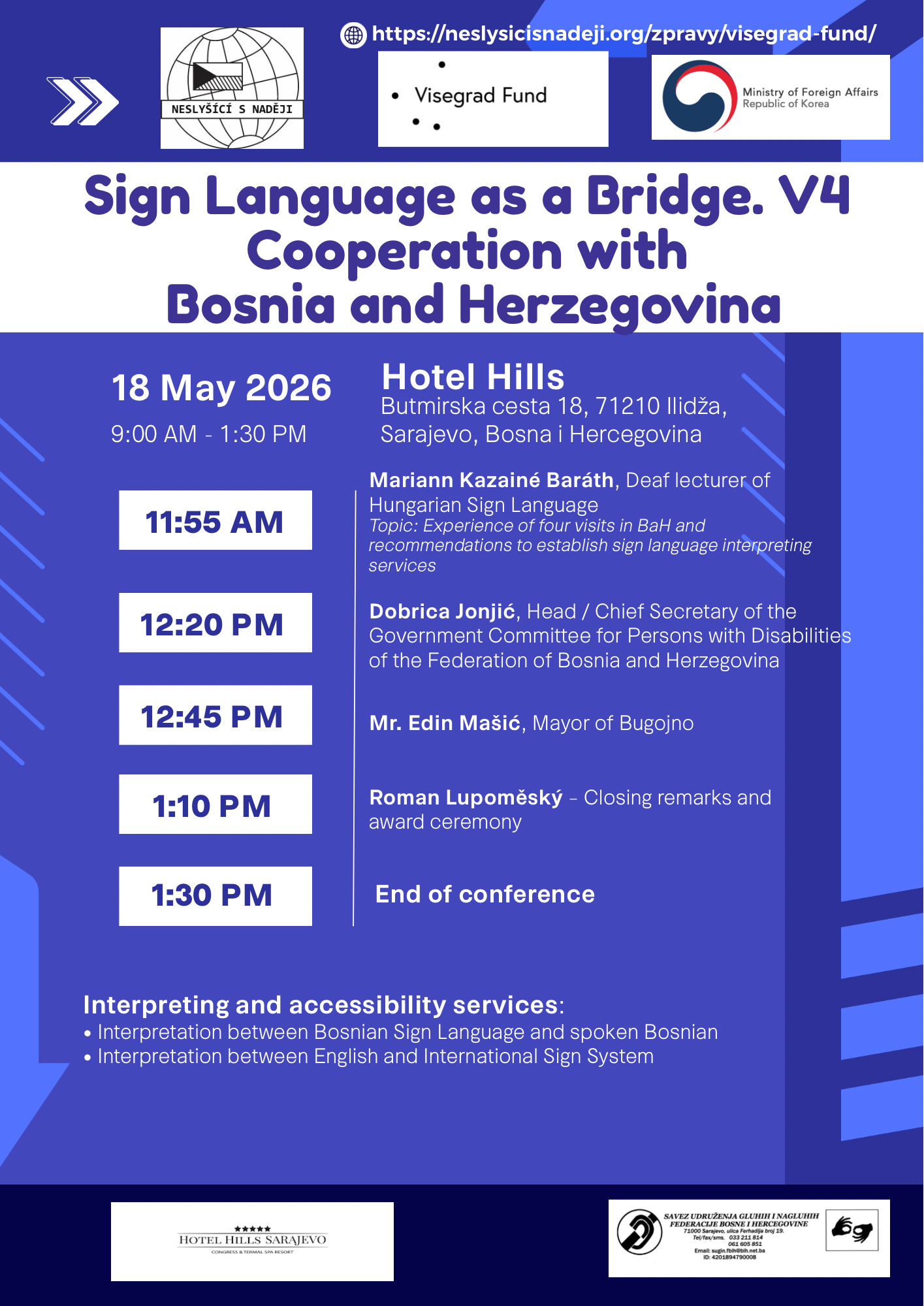
On the final day, the project concluded with a conference, where representatives of all three participating organizations each delivered a presentation of approximately 20 minutes. On behalf of Anthropolis, Mariann Kazainé Baráth gave a presentation in which she summarized the feedback collected during the visits regarding the experiences and needs of Deaf and hearing people in Bosnia and Herzegovina. She then outlined the solutions that we would recommend based on Hungarian experience.
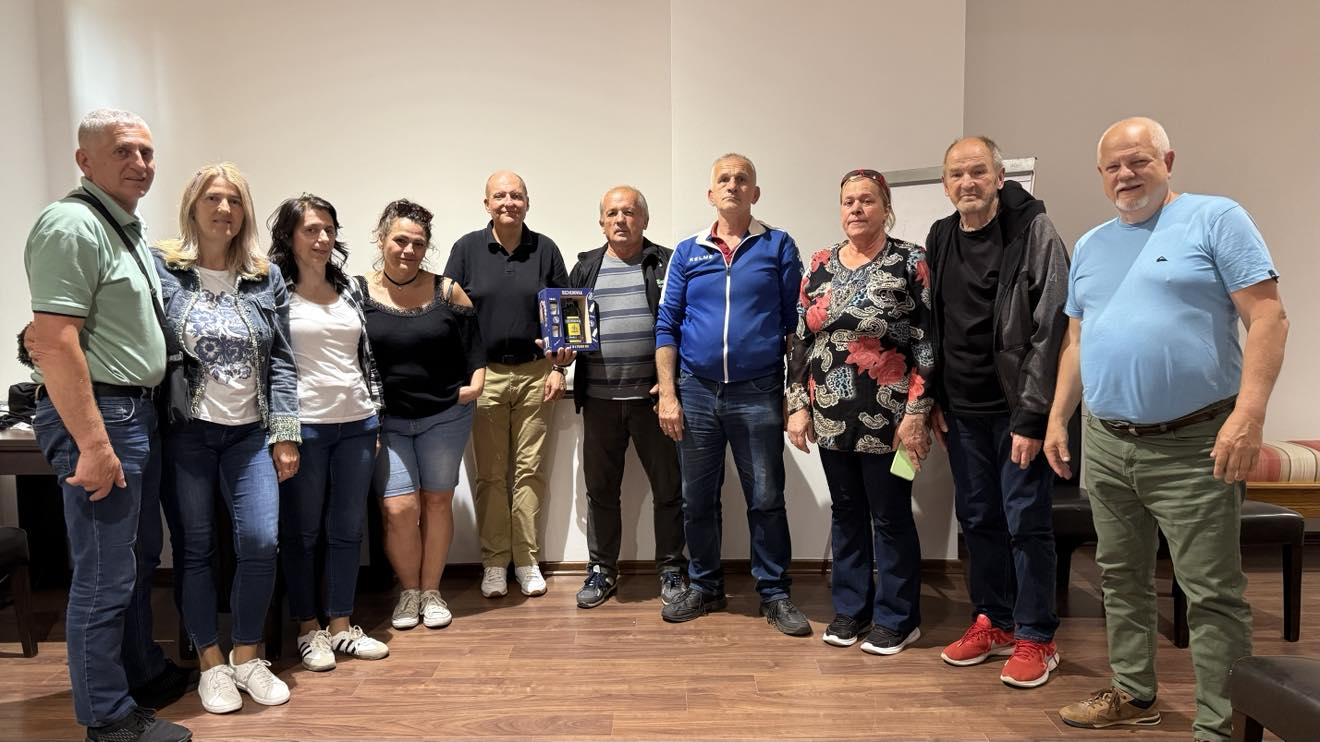
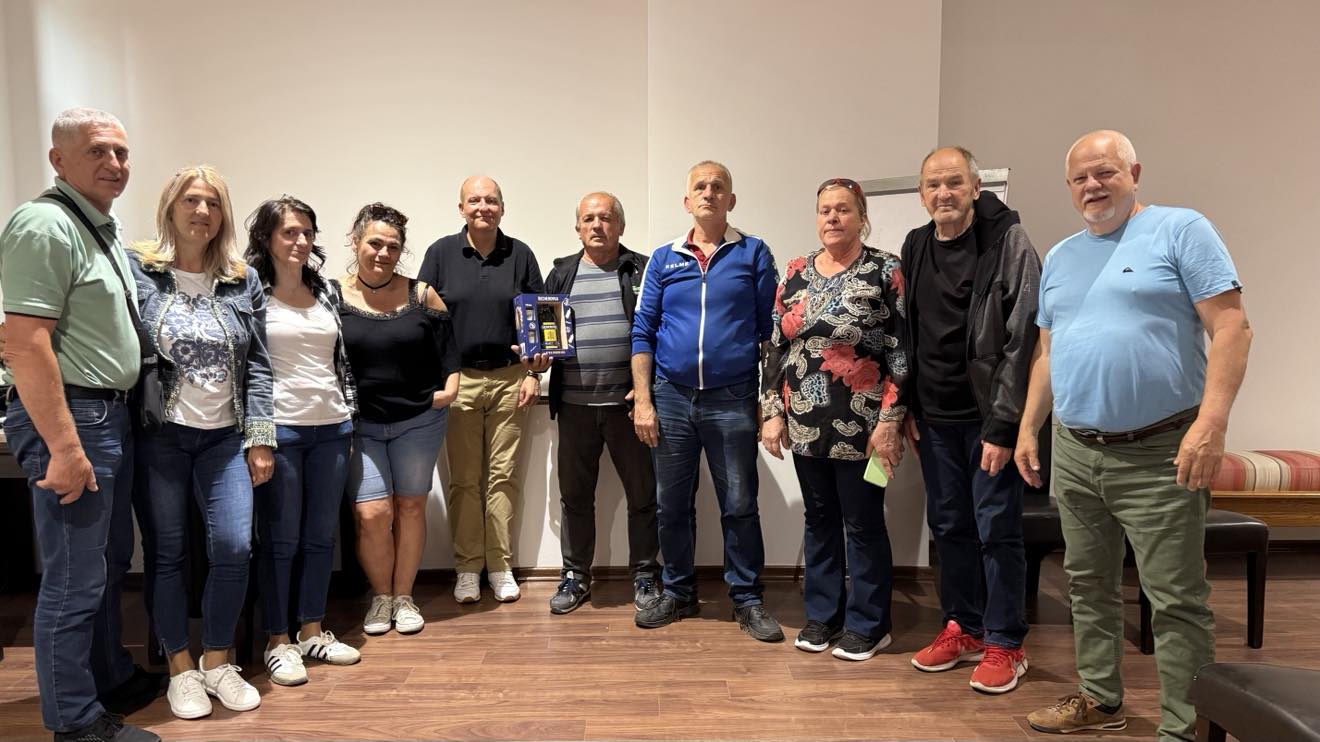
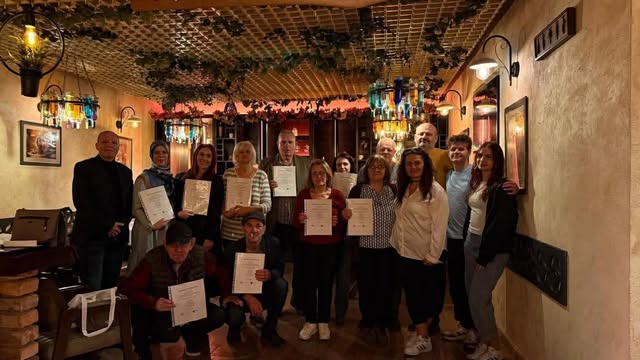
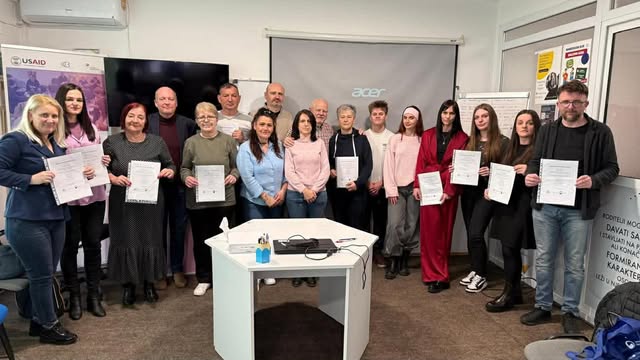
The conference was a full house event. The majority of the audience consisted of Deaf participants, but several public officials were also present:
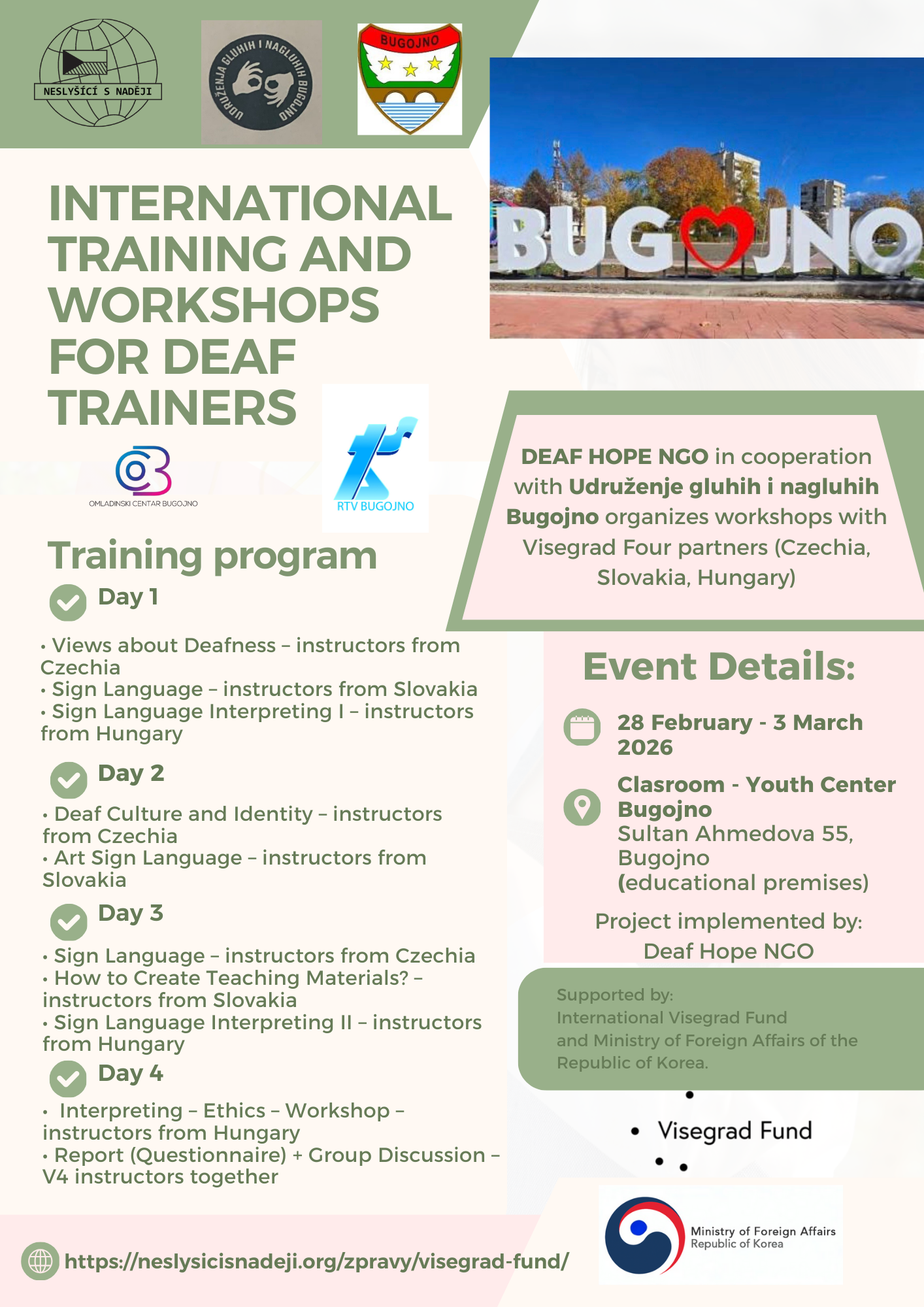
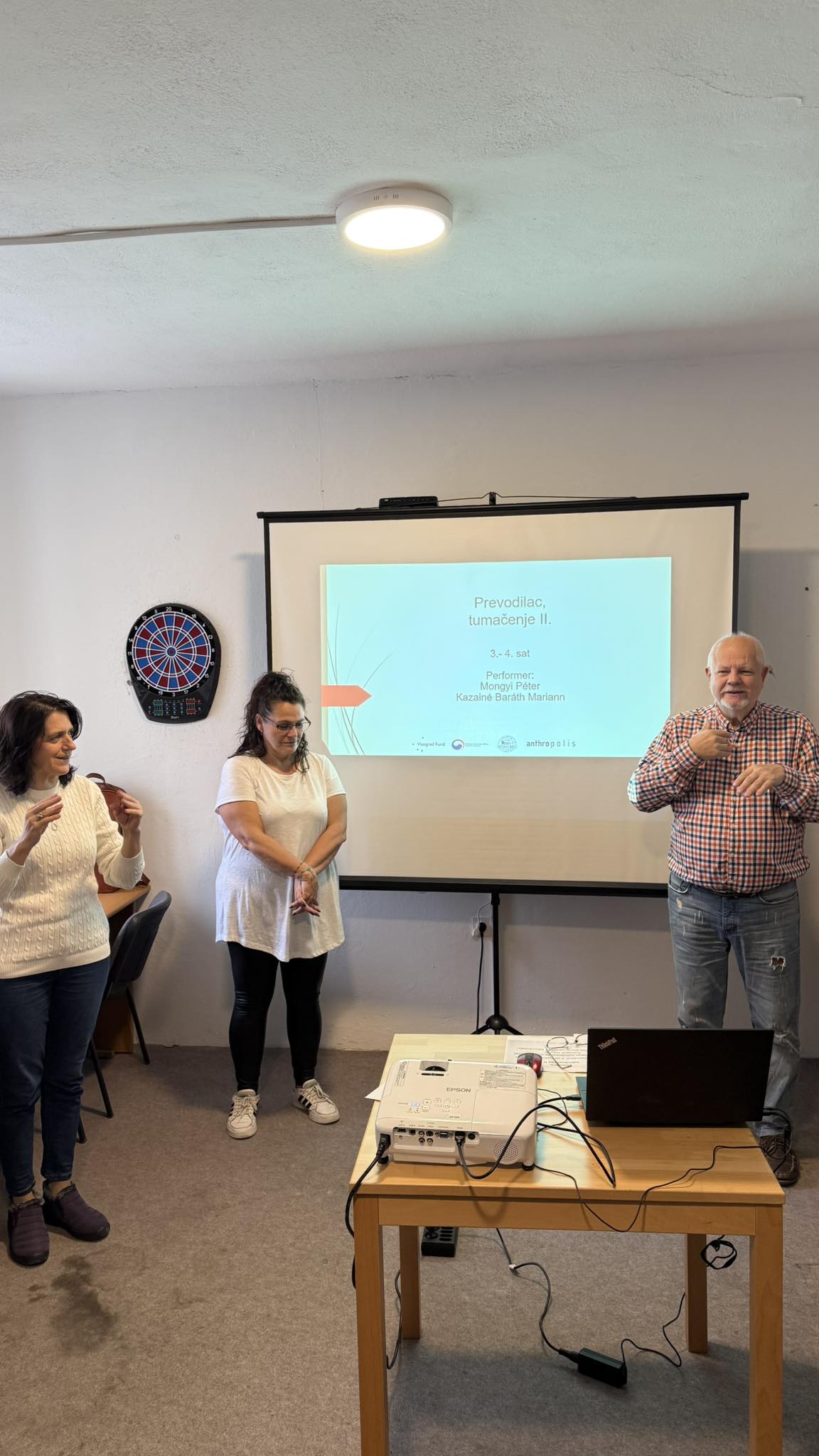
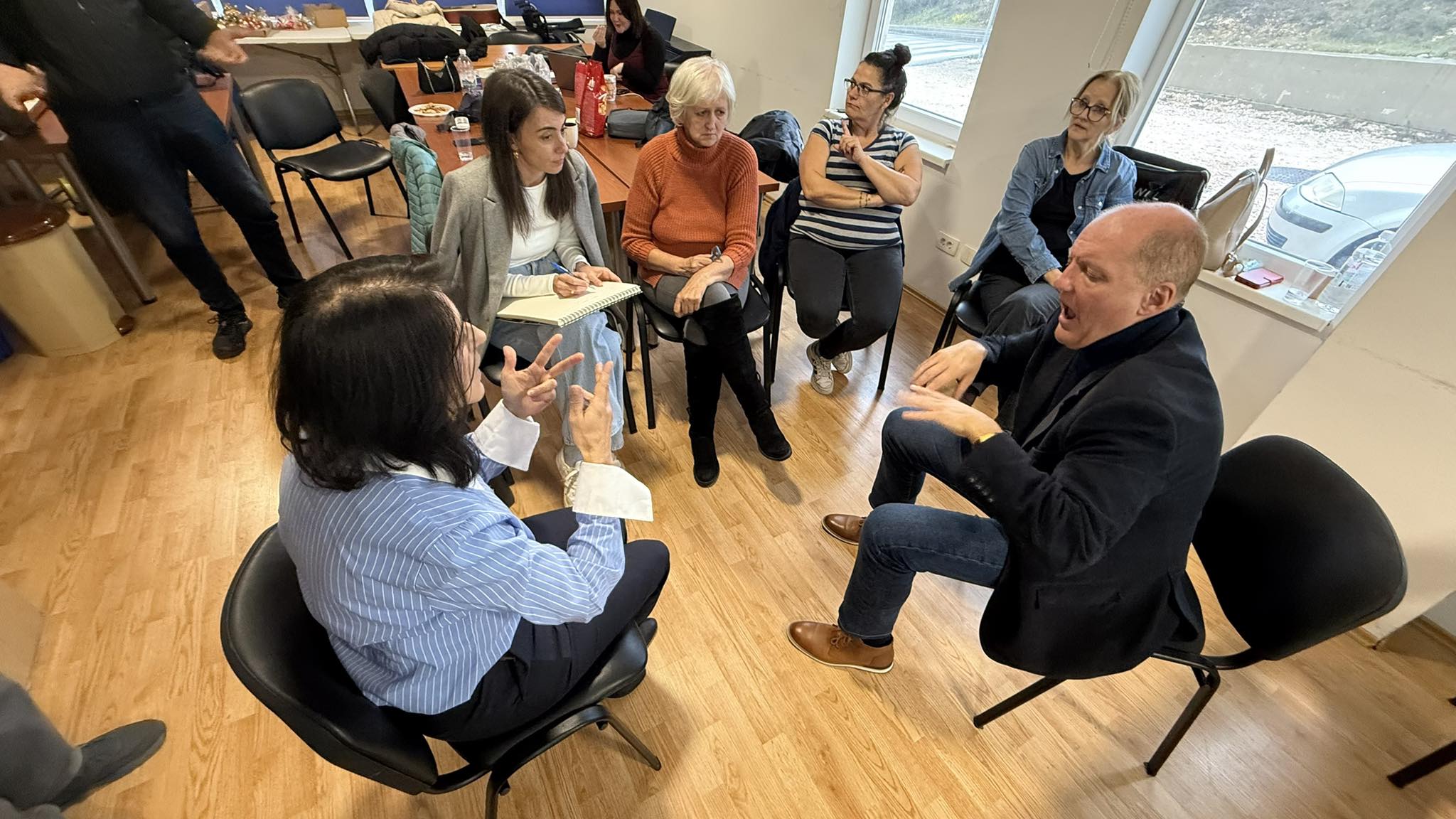
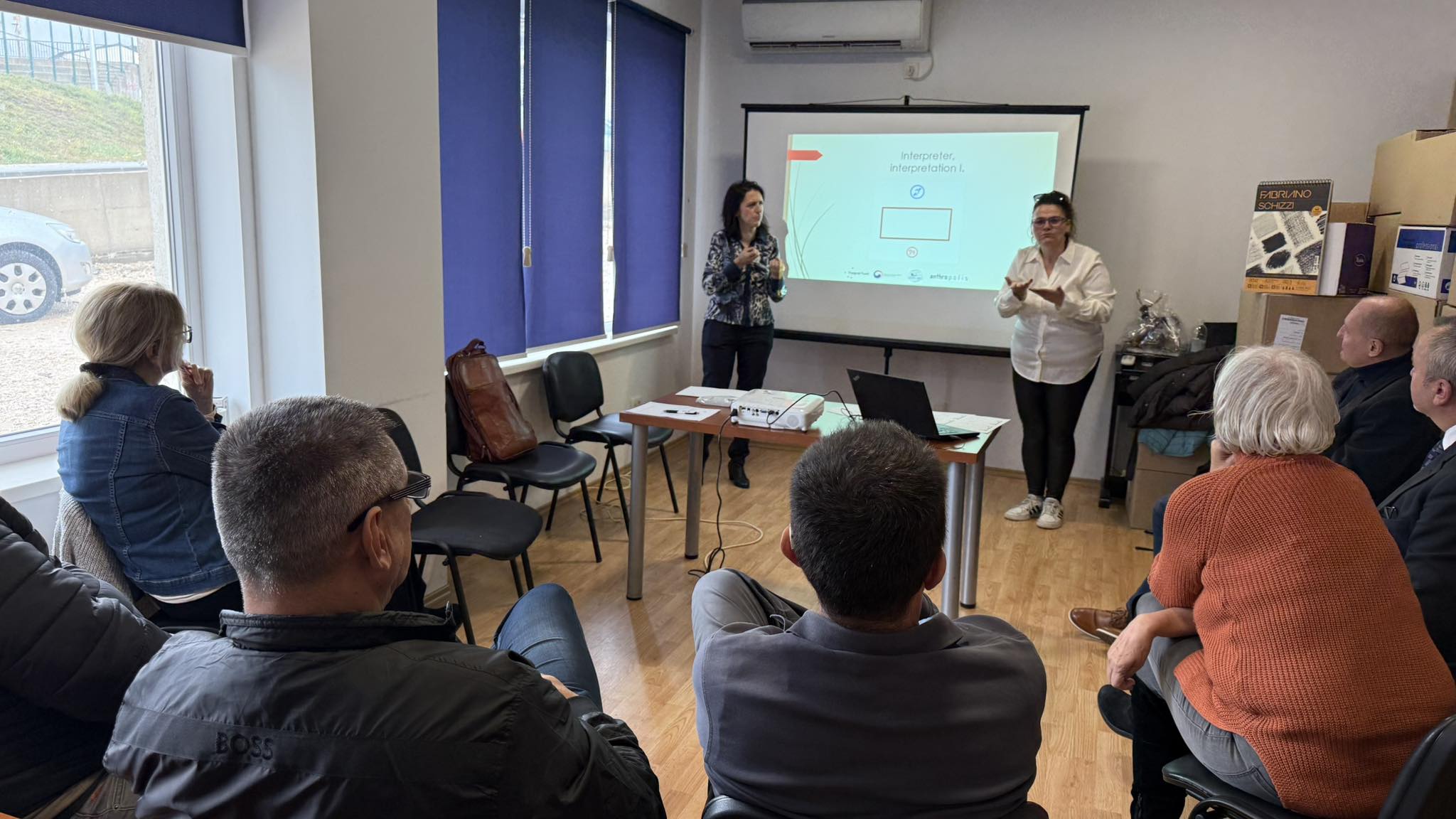
Visit and Lecture in Bugojno and Zenica, February 27–March 8, 2026
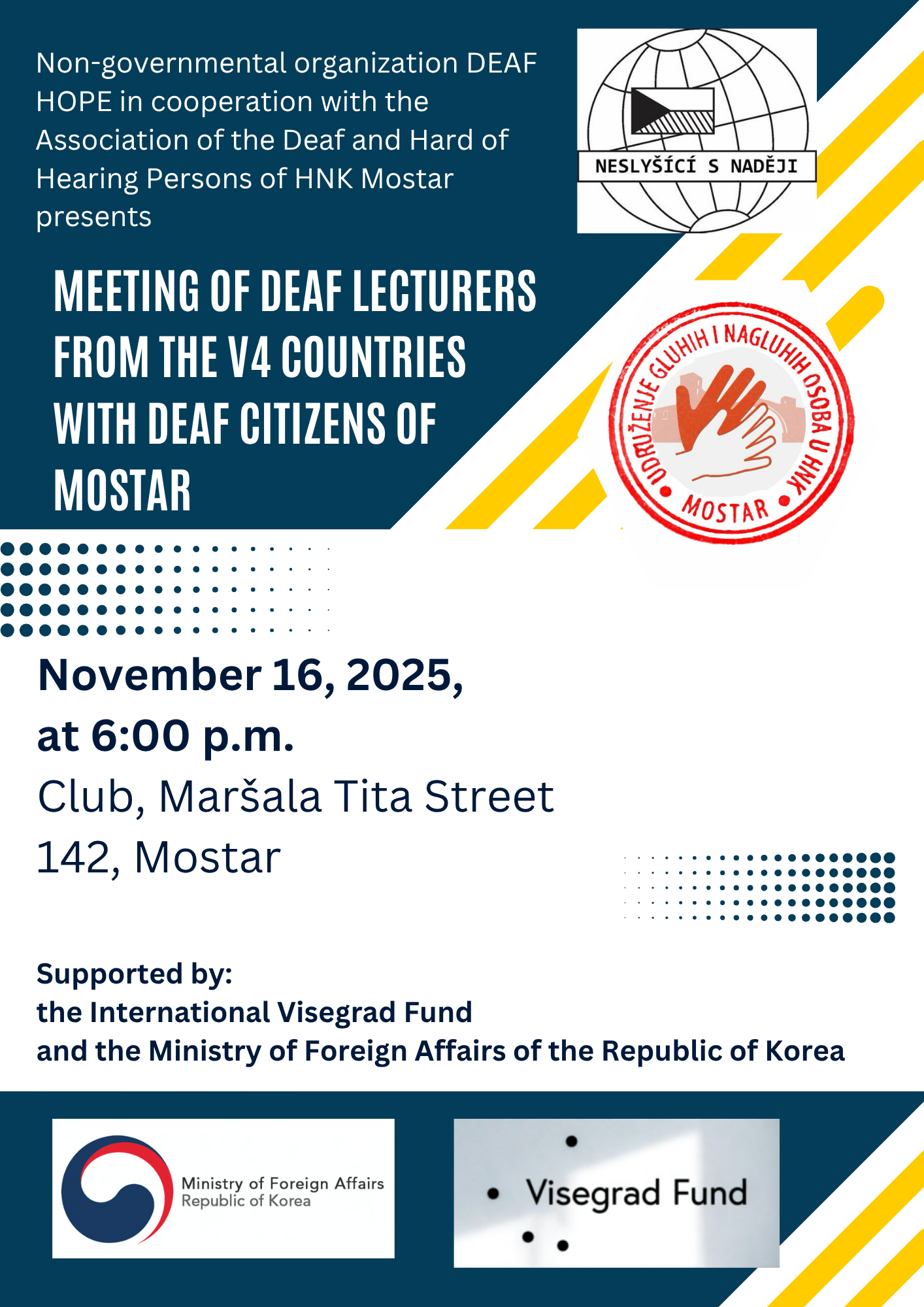
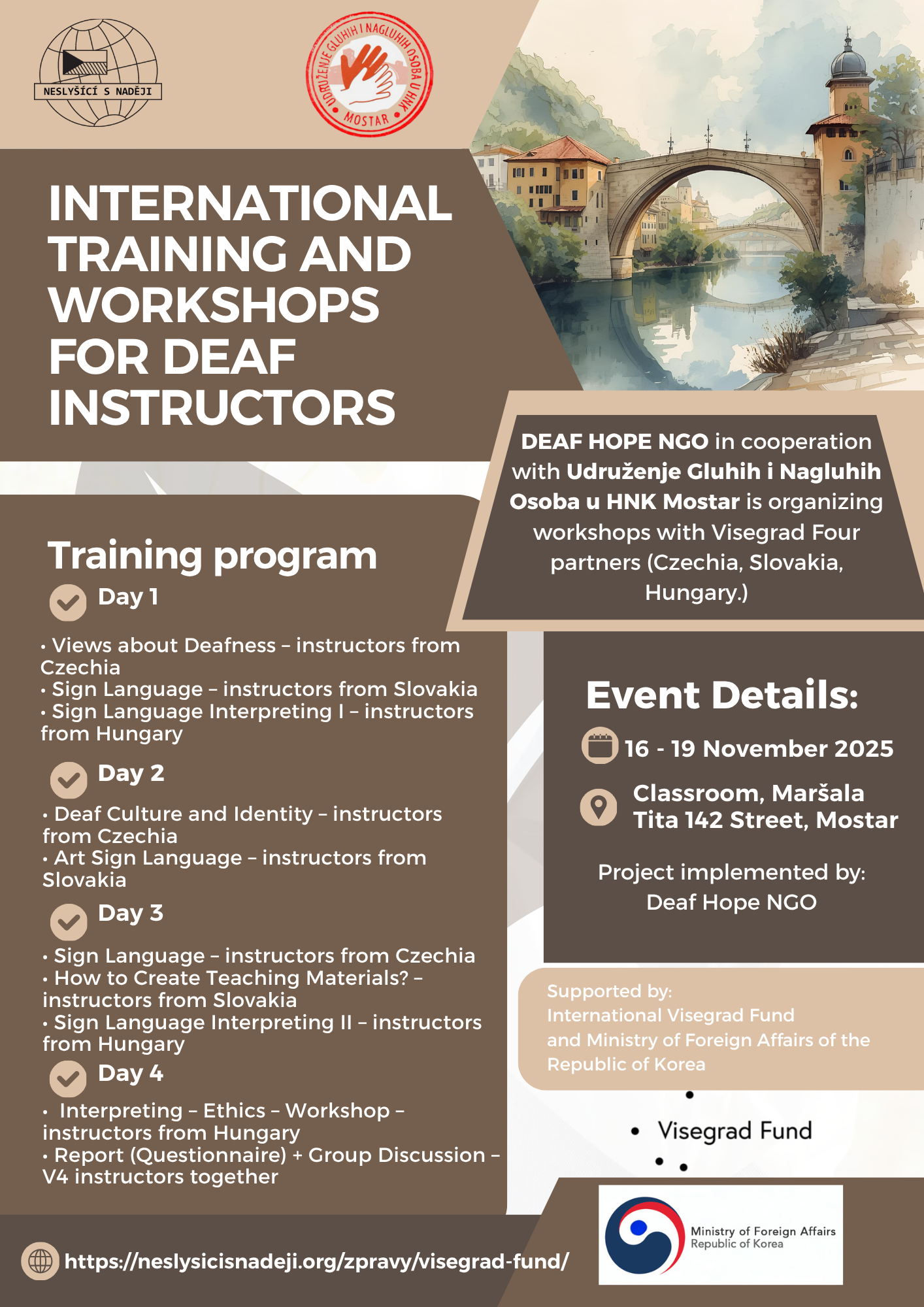
Visit to Mostar and lectures: November 15–24, 2025
The goal of the “Sign Language as a Bridge” project, supported by the Visegrad Fund, is to enable deaf communities living in Bosnia and Herzegovina and the sign language interpreters working with them to learn about the experiences and best practices of deaf people in the Visegrad countries regarding sign language interpretation and community building.
2025. november 14-én kora hajnalban a projekt két magyar közreműködője Flix busszal indult Bécs felé, hogy onnan repüljenek tovább Szarajevóba. Bécsben a repülőtéren találkoztak a többi partnerszervezet résztvevőivel (2 fő cseh, 2 fő szlovák előadó), és együtt repültek Szarajevóba, ahonnan autóval vitték őket tovább Mostarba.
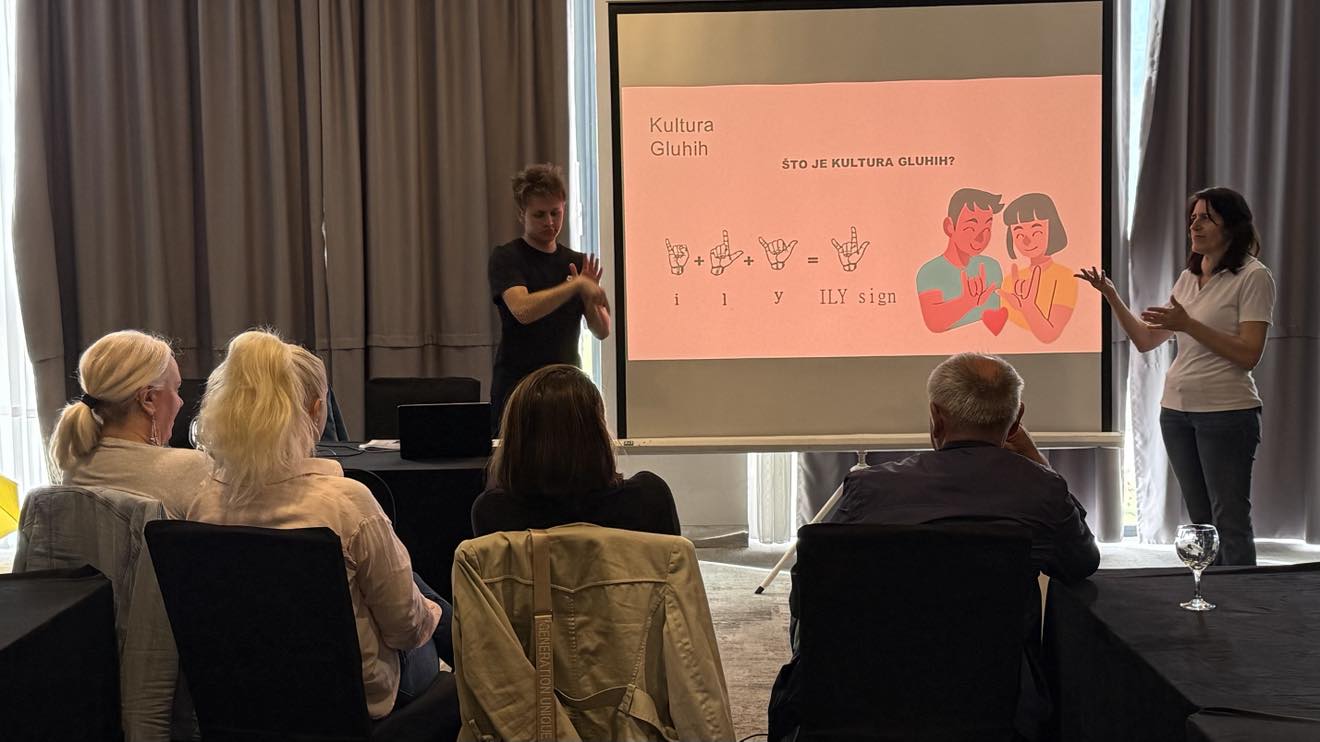
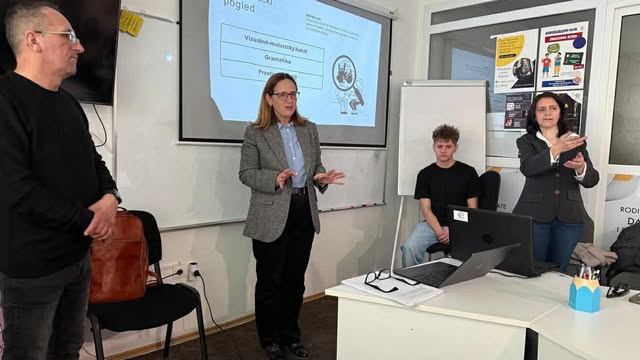
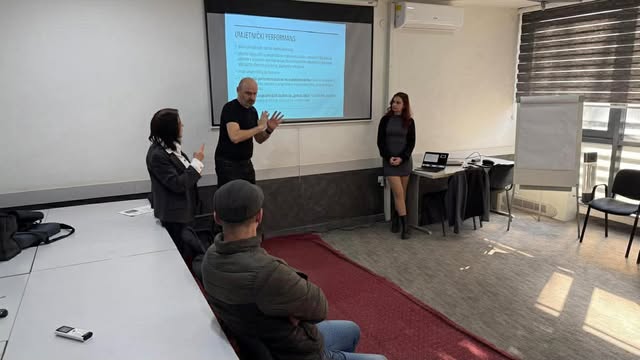
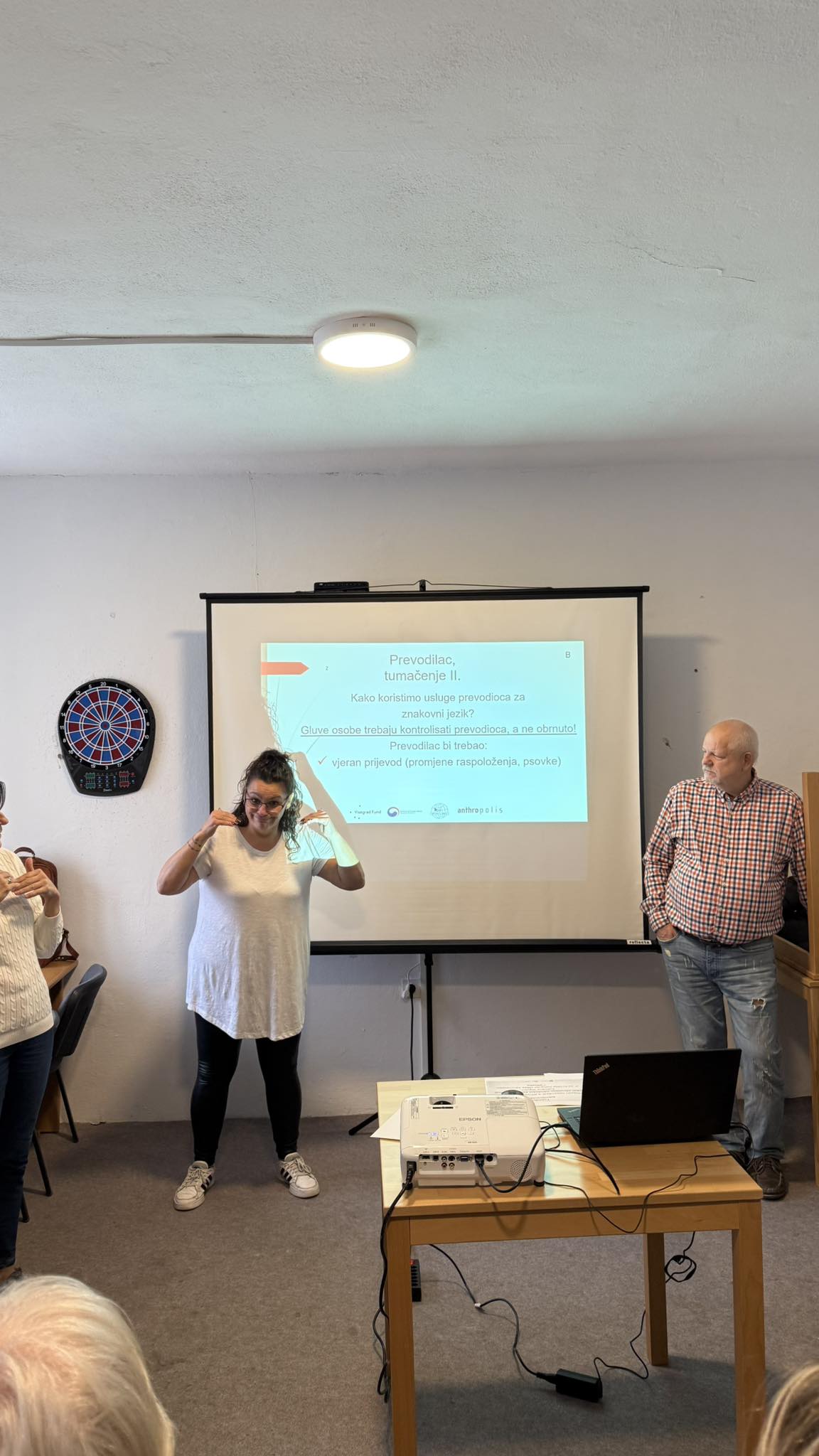
The next day marked the start of the first four-day lecture series for the deaf community in Mostar. The Czech pair of lecturers spoke about Deaf culture, the Slovak lecturers discussed sign language, and the Hungarian pair gave a presentation on sign language interpreting and sign language interpreters.
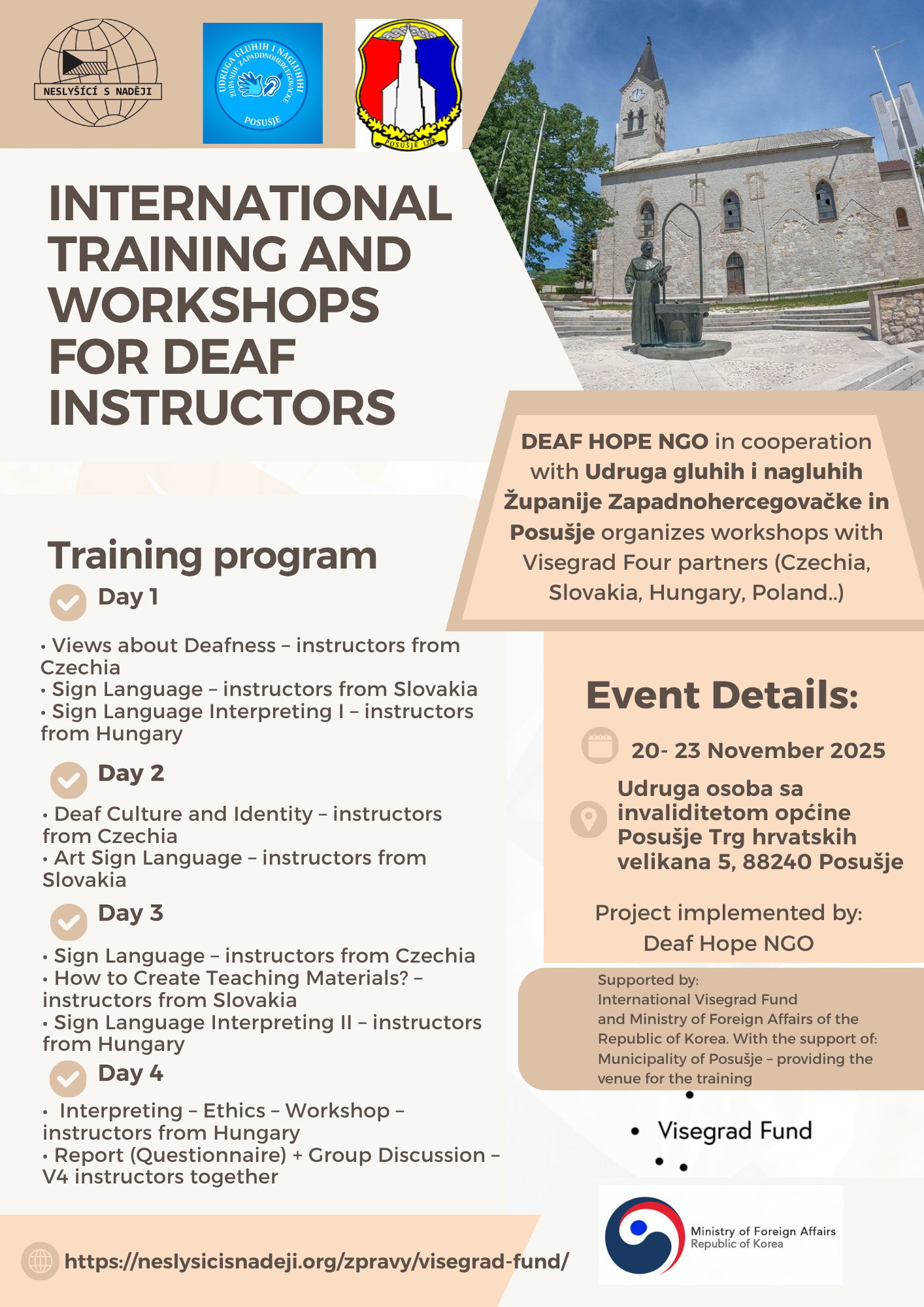
Over the next four days, the series of performances was repeated in Posusje with the participation of members of the local Deaf community.
The presentations were received with great interest at both venues; in some cases, representatives from the local social services department, reporters from a local radio station, and representatives from the Czech Embassy—which represents the Visegrad Fund—were in attendance.
A csoport a 9. napon utazott vissza Szarajevóba, és onnan hazarepültek. Ez volt az első látogatás a projekt során, a következő utazásra februárban, a harmadik alkalomra pedig májusban kerül majd sor.
Bízunk benne, hogy Bosznia-Hercegovinában tudják hasznosítani az általunk vitt tapasztalatokat és el tudják kezdeni a jelnyelvi oktatást, a jelnyelvi tolmácsképzést, és jelnyelvi tolmács szolgáltatás szervezését.